
Best Dermatology Hospitals in India
India is home to some of the best dermatology hospitals offering advanced, affordable, and high-quality care for a wide range of skin conditions. From common issues such as acne, pigmentation, and eczema to complex problems. India provides specialized treatment using the latest technologies. International patients benefit from modern facilities and expert dermatologists who are highly trained in both medical and cosmetic dermatology. Treatments such as laser therapy, phototherapy, chemical peels, PRP (platelet-rich plasma), skin biopsies, and cosmetic procedures.
Patients from around the world choose India for skin care due to the lower cost of treatments, often up to 60–70% less than in Western countries, without compromising on quality. These hospitals also offer personalized treatment plans, shorter waiting times, and medical tourism support services such as visa assistance, travel coordination, and language interpreters. Whether you're seeking treatment for a chronic skin condition or looking for cosmetic enhancement, India's dermatology hospitals offer world-class care with compassion.
Get a free cost estimate
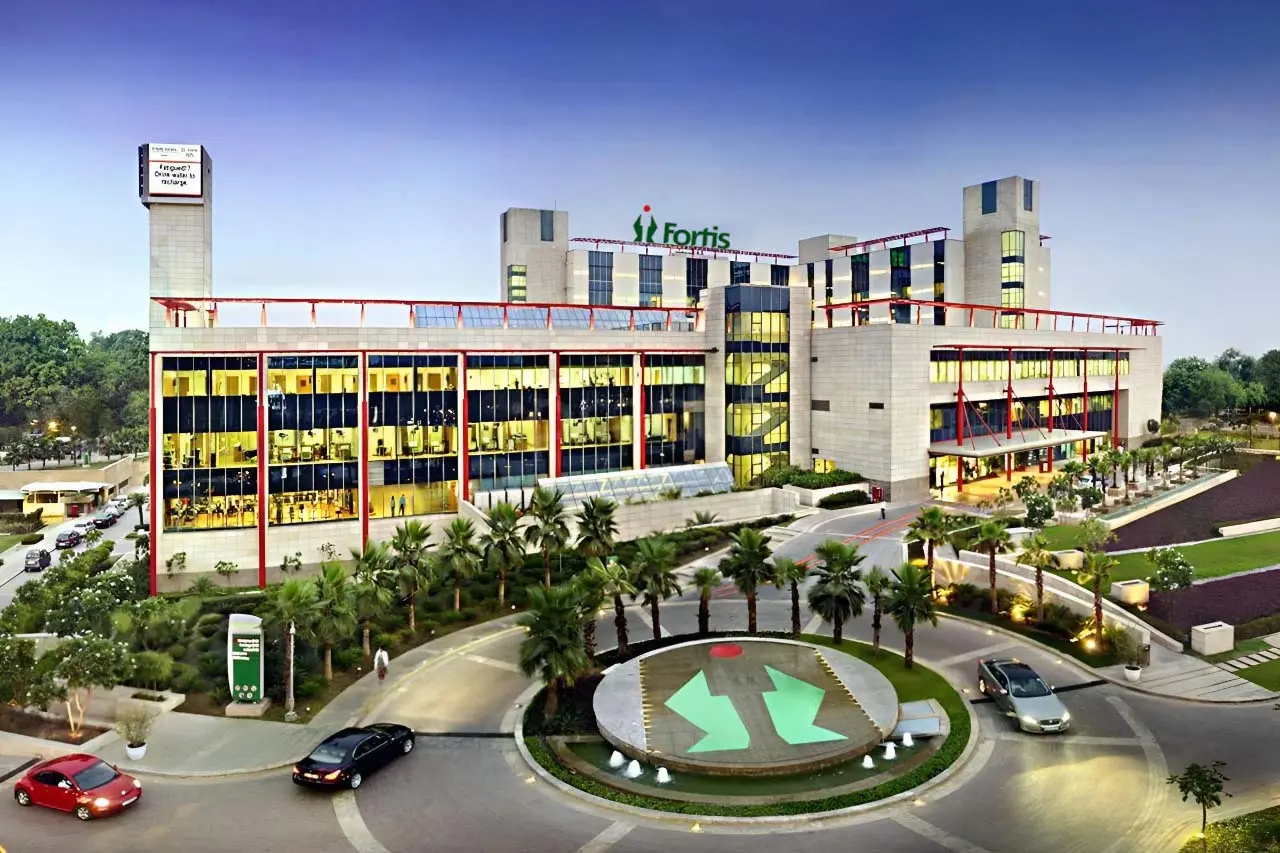
Fortis Memorial Research Institute (FMRI), Gurugram
Gurgaon, IndiaFortis Memorial Research Institute (FMRI) in Gurugram is a leading multi-specialty hospital renowned for its… View More
Book Appointment Chat Now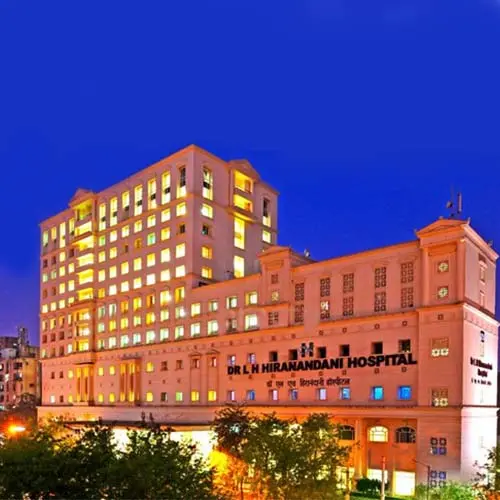
Hiranandani Fortis Hospital, Vashi, Mumbai
Mumbai, IndiaEstablished in 2007, Hiranandani Fortis Hospital, Vashi is a leading multi-specialty tertiary care hospital in… View More
 Book Appointment Chat Now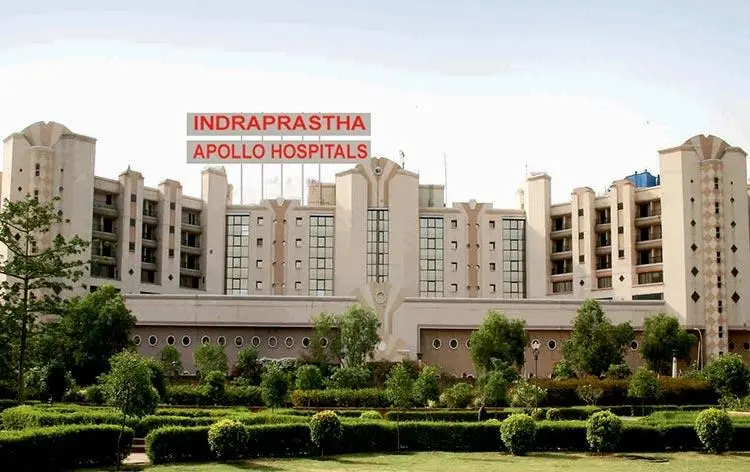
Indraprastha Apollo Hospital Delhi
Delhi, IndiaAs a multi-specialty tertiary acute care hospital, Indraprastha Apollo Hospitals boasts 710 beds and is… View More
 Book Appointment Chat Now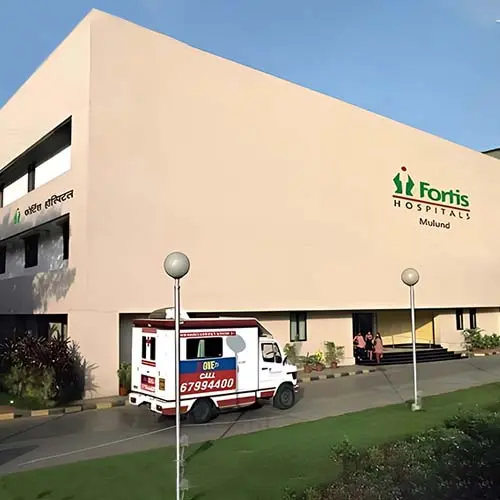
Fortis Hospital, Mulund, Mumbai
Mumbai, IndiaFortis Hospital, Mulund is a leading multi-specialty hospital known for its cutting-edge medical treatments and… View More
Book Appointment Chat Now 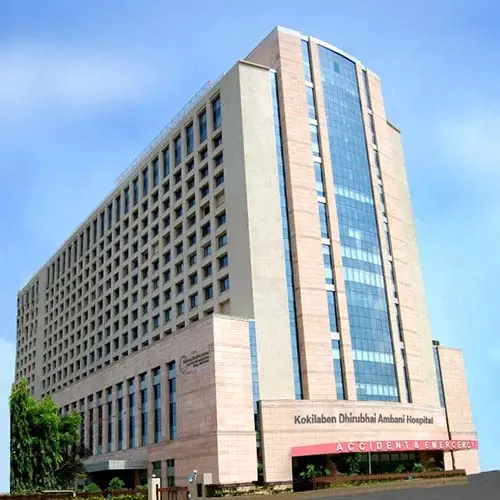
Kokilaben Dhirubhai Ambani Hospital, Mumbai
Mumbai, IndiaEstablished in 2009, Kokilaben Dhirubhai Ambani Hospital & Medical Research Institute (KDAH) is one of… View More
Book Appointment Chat Now 
Jaslok Hospital and Research Centre, Mumbai
Mumbai, IndiaJaslok Hospital and Research Centre, founded in 1973 in Mumbai, is one of India's leading… View More
Book Appointment Chat Now 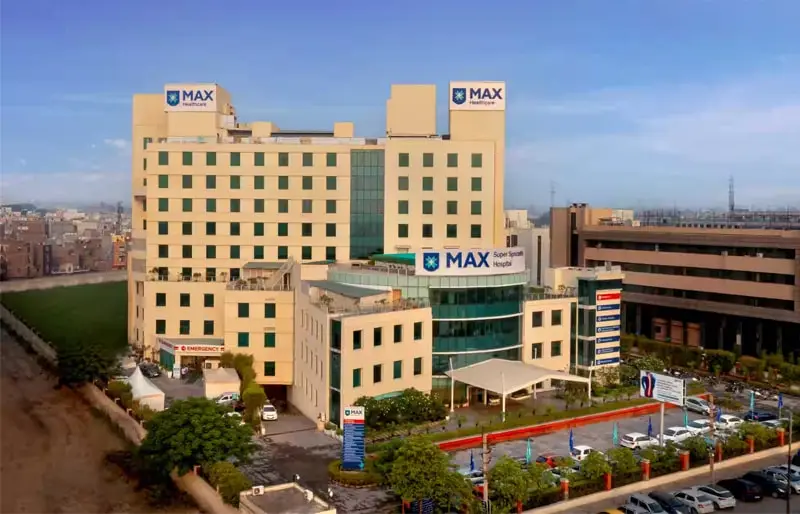
Max Super Speciality Hospital, Shalimar Bagh, New Delhi
New Delhi, IndiaServing Patients Since 2008 300+ Beds, 50 Critical Care Beds 34+ SpecialitiesMax Hospital Shalimar Bagh is… View More
Book Appointment Chat Now 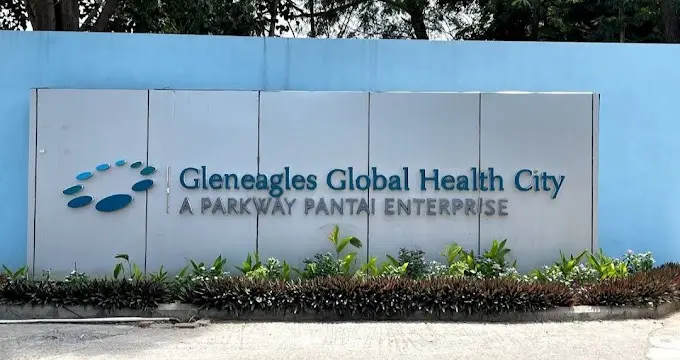
Gleneagles Hospital, Chennai
Chennai, IndiaGleneagles HealthCity Chennai, located in Perumbakkam – Sholinganallur, is a premier quaternary care multi-specialty hospital… View More
Book Appointment Chat Now 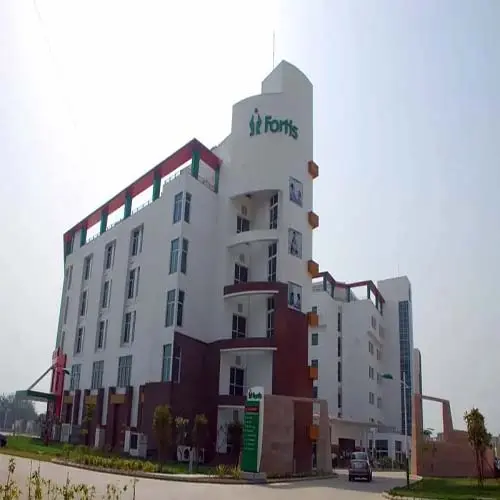
Fortis Super Specialty Hospital, Shalimar Bagh
Delhi, IndiaFortis Hospital, Shalimar Bagh, established in 2010, stands as one of the largest and most… View More
Book Appointment Chat Now 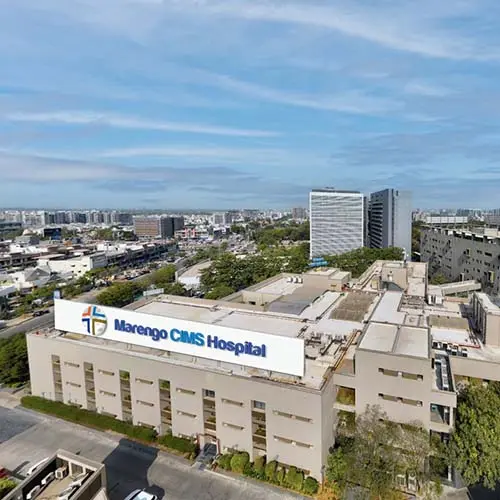
Marengo Asia CIMS Hospital, Ahmedabad
Ahmedabad, IndiaMarengo Asia CIMS Hospital, located in Ahmedabad, is a premier multi-super specialty healthcare institution renowned… View More
 Book Appointment Chat Now
 FAQs
India offers a wide range of skin care treatments, including management of acne, eczema, psoriasis, vitiligo, fungal infections, skin cancer screening, mole and wart removal, and hair loss therapies.
Cosmetic dermatology services such as chemical peels, PRP therapy, anti-aging treatments, and laser hair removal are also widely available
Dermatology hospitals in India follow strict safety protocols and international standards for hygiene and treatment. Dermatologists use FDA-approved equipment and conduct thorough evaluations to ensure treatments are safe and suitable for the patient’s skin type and condition.
Hospitals in India offer follow-up care that includes prescription management, skincare routines, and virtual consultations after returning home. Dedicated care coordinators support patients throughout their treatment and recovery.
The duration of stay depends on the treatment. For common conditions or cosmetic procedures, patients may need only 3–7 days. For chronic skin issues or surgeries, a stay of 2–3 weeks may be required for monitoring and follow-up.
Dermatology treatment in India is very cost-effective, with prices up to 70% lower than in countries such as the US, UK, or Australia.