
Best Interventional Radiology Hospitals in India
Best Interventional Radiology Hospitals in India are at the forefront of minimally invasive medical care, offering highly advanced procedures guided by advanced imaging technologies such as CT, MRI and ultrasound. These top-tier hospitals are internationally accredited and recognized for delivering precise, safe and effective treatments across a wide range of conditions. India's leading interventional radiology hospitals specialize in treating vascular diseases, liver cancers, uterine fibroids, spine fractures and more, without the need for open surgery.
Using the latest techniques and equipment, these hospitals provide targeted care that reduces pain, minimizes risk and promotes faster recovery. With internationally trained specialists, best infrastructure and JCI-and NABH-accredited facilities, these hospitals meet global healthcare standards. Patients from around the world are drawn to India not only for its clinical excellence but also for its cost-effective care, with treatments priced 60-70% lower than in many Western countries.
These hospitals also offer comprehensive medical tourism services, including visa support, travel coordination and accommodation assistance, making the journey stress-free for international patients. Combined with personalized treatment plans and shorter hospital stays, the Best Interventional Radiology Hospitals in India provide unmatched value and quality in modern medical care.
Get a free cost estimate
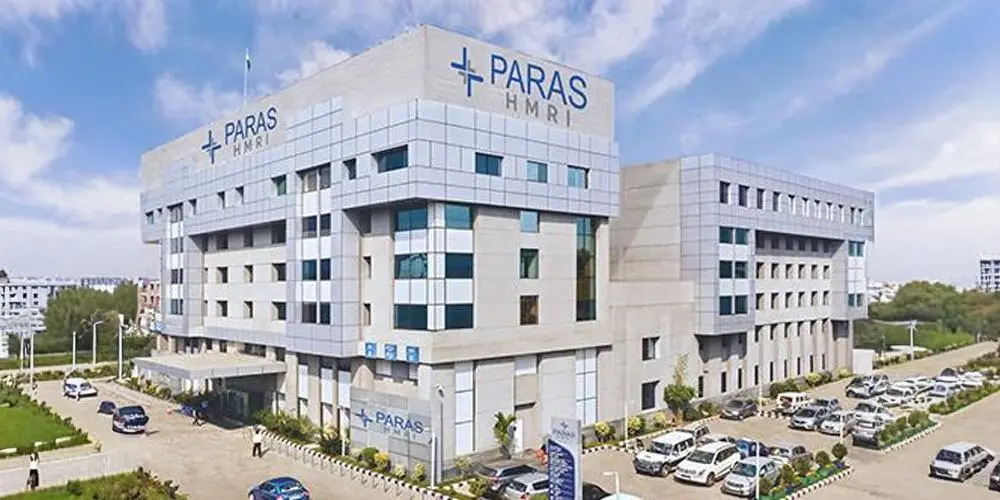
Paras Hospital, Gurugram
Gurugram, India110+ expert doctors 9+ centre of excellence 35+ specialitiesEstablished in 2006, Paras Health, Gurugram is… View More

 Book Appointment Chat Now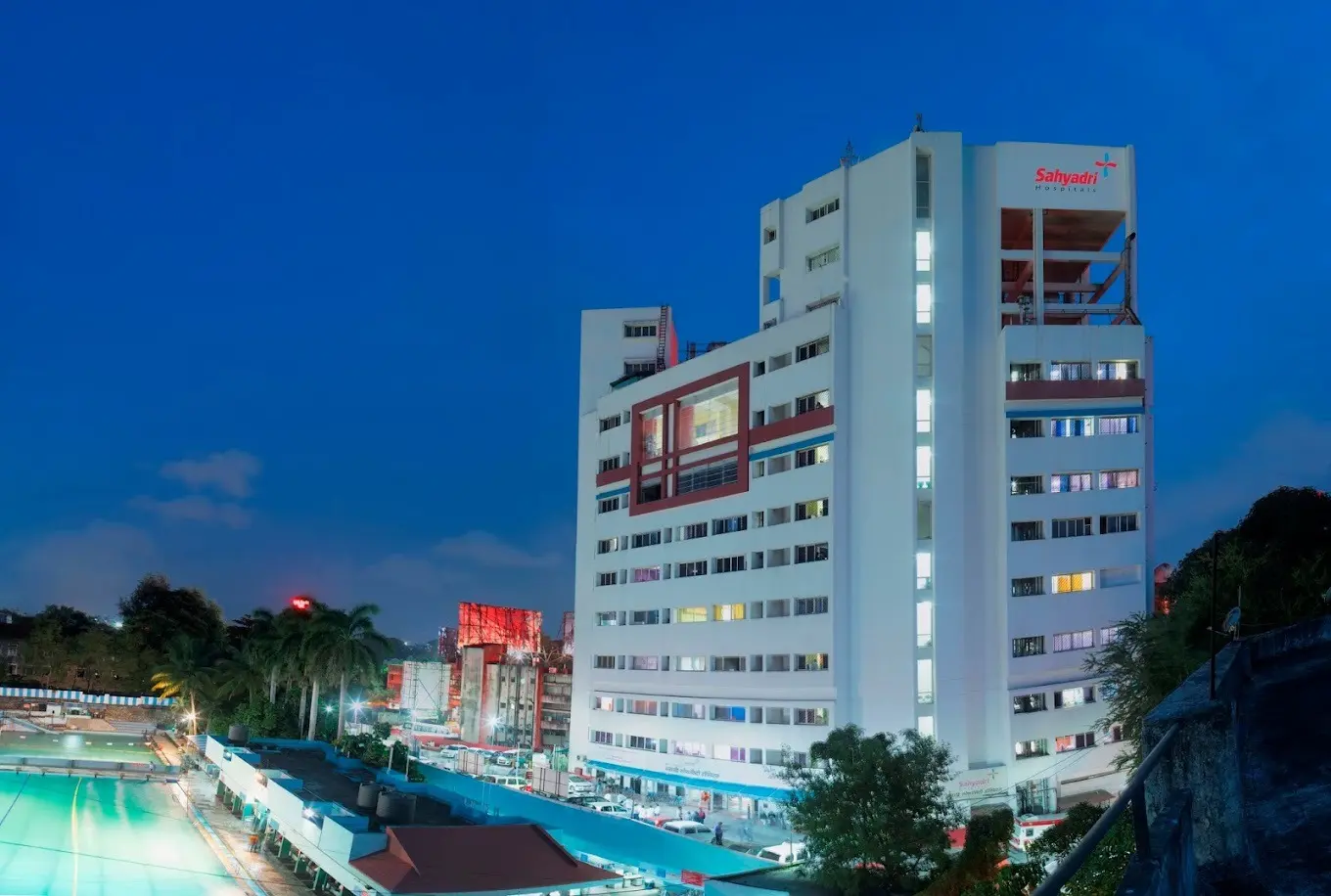
Sahyadri Super Speciality Hospital, Deccan Gymkhana, Pune
Pune, IndiaSahyadri Super Speciality Hospital, located in the bustling area of Deccan Gymkhana in Pune, is… View More
Book Appointment Chat Now 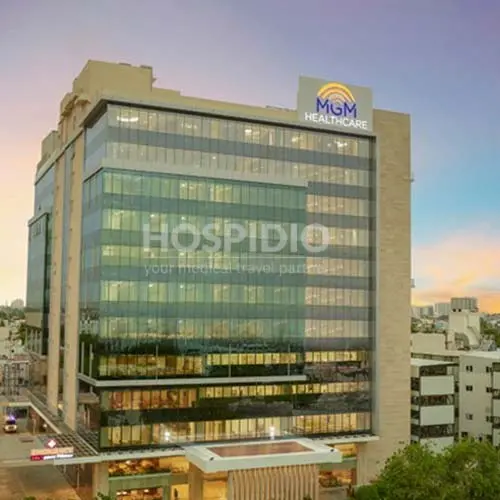
MGM Healthcare, Chennai
Chennai, IndiaMGM Healthcare is a leading multi-super-specialty quaternary care hospital located in the heart of Chennai.… View More
Book Appointment Chat Now 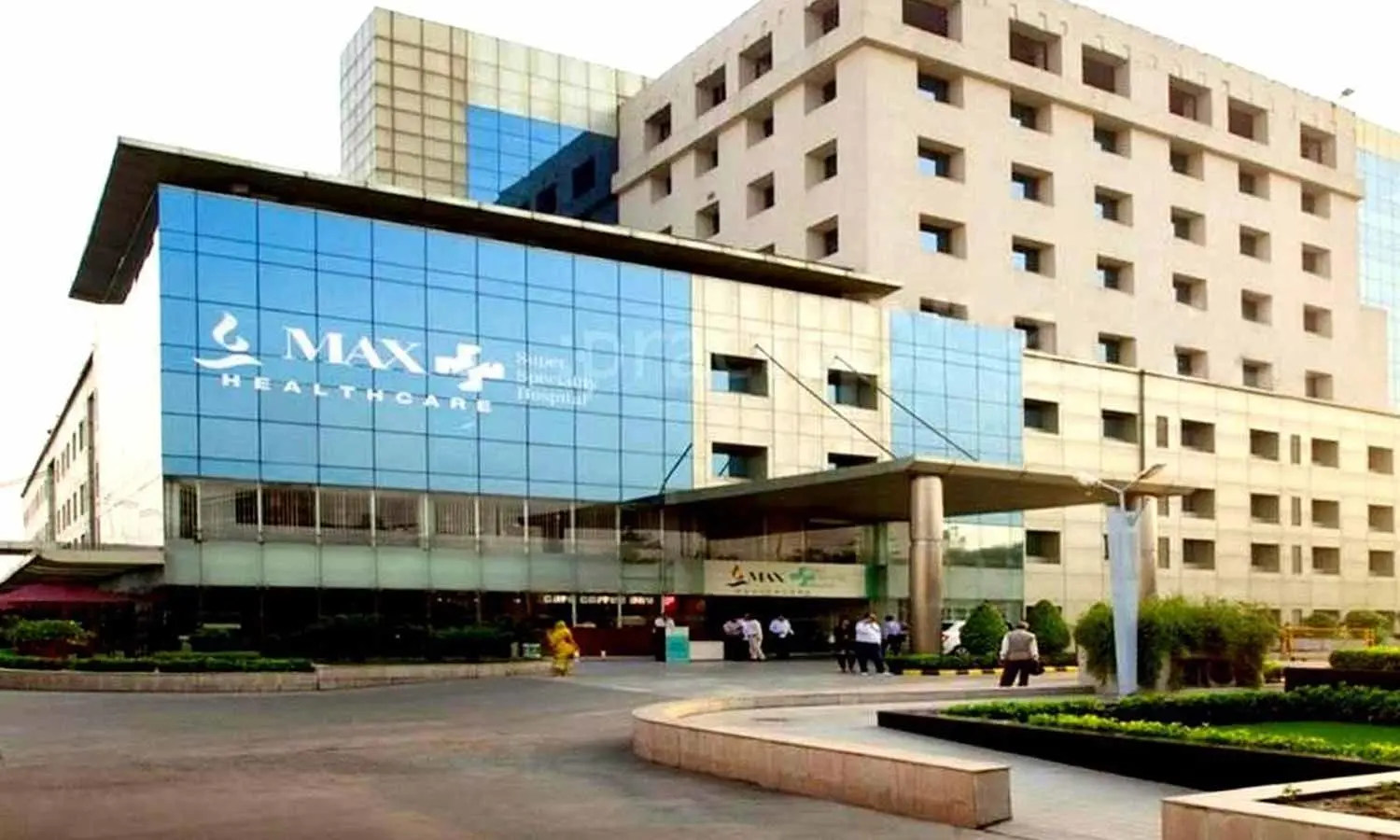
Max Super Speciality Hospital, Vaishali
Ghaziabad, IndiaMax Super Specialty Hospital, Vaishali, Ghaziabad, is a leading 370+ bed facility renowned for its… View More
 Book Appointment Chat Now
Sir H.N. Reliance Foundation Hospital and Research Centre
Mumbai, IndiaSir H. N. Reliance Foundation Hospital and Research Centre is a state-of-the-art, 345-bed quaternary care… View More
Book Appointment Chat Now 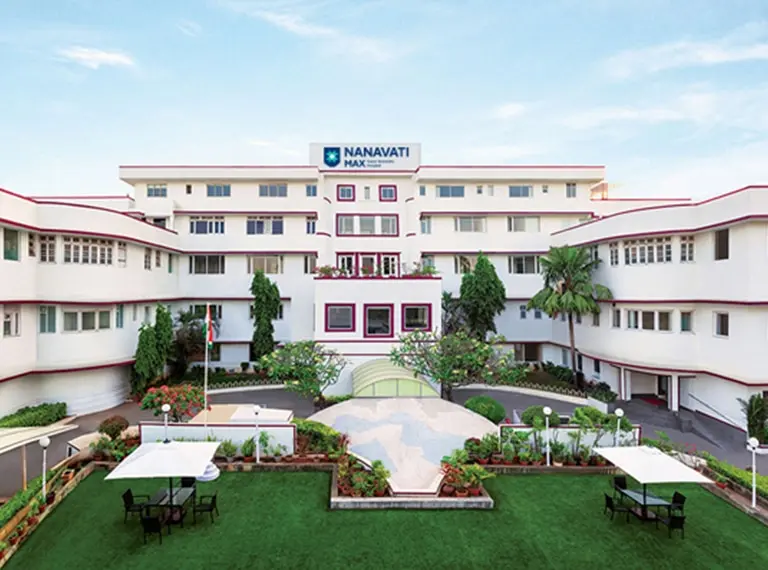
Nanavati Max Super Speciality Hospital, Mumbai
Mumbai, India55+ Specialities 100+ Resident Doctors 350+ BedsNanavati Max Super Speciality Hospital, formerly known as Dr.… View More
Book Appointment Chat Now 
Venkateshwar Hospital, Delhi
New Delhi, IndiaVenkateshwar Hospital is a premier healthcare institution renowned for its commitment to providing high-quality medical… View More
Book Appointment Chat Now 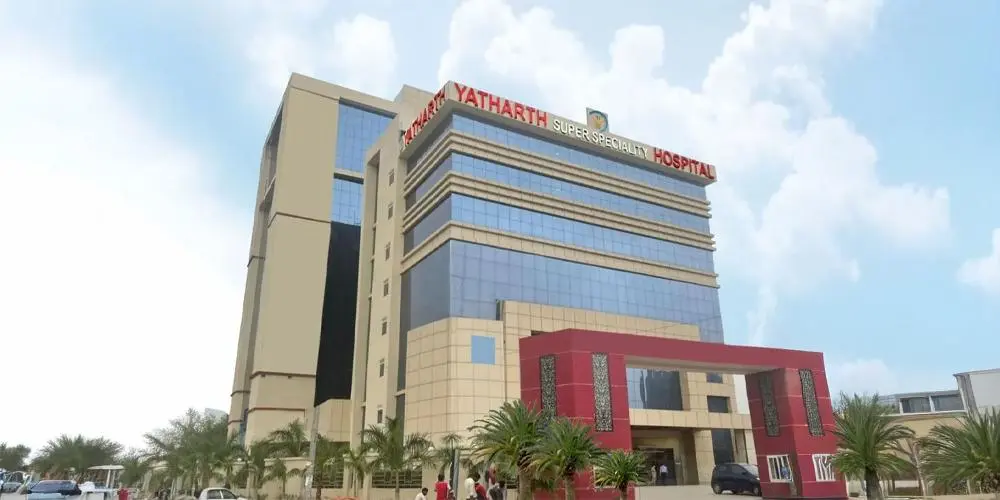
Yatharth Super Speciality Hospital, Noida Extension
Greater Noida, India450+ Bed Capacity 125 Critical Care Beds 30+ SpecialtiesYatharth Super Speciality Hospital, Noida Extension is… View More
Book Appointment Chat Now 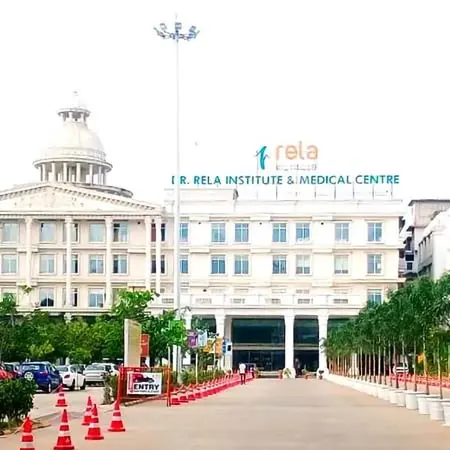
Rela Hospital, Chennai
Chennai, IndiaRela Hospital, a prominent international medical facility, is a quaternary care institution dedicated to meeting… View More
Book Appointment Chat Now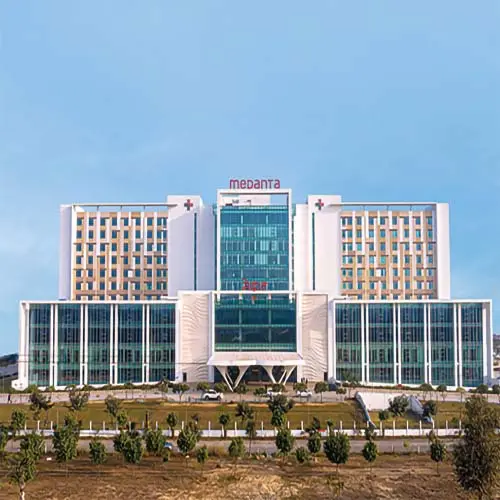
Medanta- The Medicity, Gurugram
Gurugram, IndiaMedanta – The Medicity is one of India’s largest and most renowned multi-super specialty hospitals,… View More
Book Appointment Chat Now FAQs
Interventional radiology (IR) is a subspecialty of medicine that utilizes imaging technologies such as CT, MRI, ultrasound, and X-rays to perform minimally invasive diagnostic and therapeutic procedures for various diseases. It eliminates the large incisions typical of traditional surgery, replacing them with small incisions for catheter systems and other specialized instruments, thereby reducing trauma, pain, and recovery time associated with larger procedures
Interventional radiology in India is used to treat a wide range of conditions, such as vascular diseases, liver cancers, uterine fibroids, kidney and gallbladder stones, spine fractures, deep vein thrombosis, and varicose veins. It also includes procedures like embolization, stenting, biopsies, and targeted cancer therapies.
There are various advantages of the interventional radiology some of are given below:
- Minimally Invasive: Requires only small incisions, resulting in less pain and scarring.
- Shorter Recovery Time: Patients recover faster compared to traditional surgeries.
- Reduced Risks: Lower risk of infection, blood loss, and complications.
- Outpatient Procedures: Many IR treatments can be performed on an outpatient basis, reducing hospital stays.
- Targeted Treatment: Allows precise targeting of the affected area, sparing surrounding healthy tissues.
The recovery time of interventional radiology treatment depends on procedure and patients overall health. Most patients can return to normal activities within a few days, while some procedures require only a few hours of observation, and more complex treatment requires one week or more for recovery.
The factors which affect success rate of interventional radiology treatment are given below:
- Patient’s Condition: The type and severity of the condition being treated.
- Timely Diagnosis: Early detection often leads to better outcomes.
- Technology and Expertise: Advanced imaging technology and experienced radiologists improve success rates.
- Patient Compliance: Adherence to post-procedure care and follow-up recommendations.
- Underlying Health Factors: Overall health, age, and comorbidities of the patient can influence results.