
Best Medical Oncology Hospitals in India
Best Medical Oncology Hospitals in India are widely recognized for offering world class cancer care through advanced treatments, experienced oncologists and focused on patient services. These top hospitals provide comprehensive medical oncology services, including breast cancer treatment, lung cancer treatment, leukemia care and other targeted therapies tailored to the specific needs of each patient.
What sets these hospitals apart is their combination of internationally accredited facilities, advanced technologies such as immunotherapy & targeted therapy and highly skilled medical oncologists who follow globally accepted treatment protocols. These hospitals are equipped to handle even the most complex cancer cases with precision and compassion. Success rates for medical oncology treatments vary based on the type and stage of cancer, as well as patient-specific factors, but India’s leading hospitals consistently report favorable outcomes. In addition to clinical excellence, these hospitals offer a significant cost advantage typically 60-70% lower than treatment in Western countries, making them highly attractive to international patients.
Patients benefit from personalized care plans, coordinated multidisciplinary support, faster recovery periods, and dedicated international patient services that ensure seamless travel, visa assistance and language support. Explore our curated list of the Best Medical Oncology Hospitals in India to find trusted institutions that combine medical expertise, modern infrastructure, and compassionate care—all at an affordable cost.
Get a free cost estimate
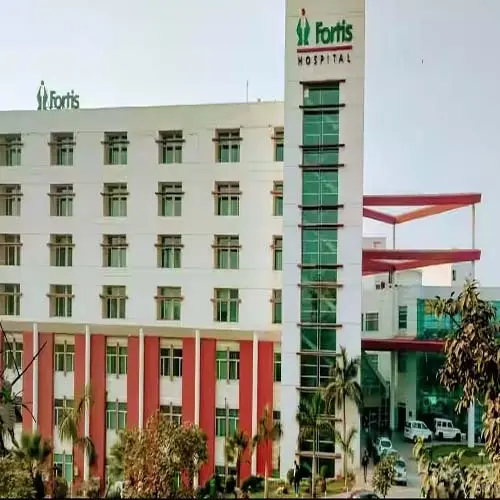
Fortis Hospital, Noida
Noida, IndiaFortis Hospital Noida is a leading multi-specialty hospital located in the city of Noida, Uttar… View More
 Book Appointment Chat Now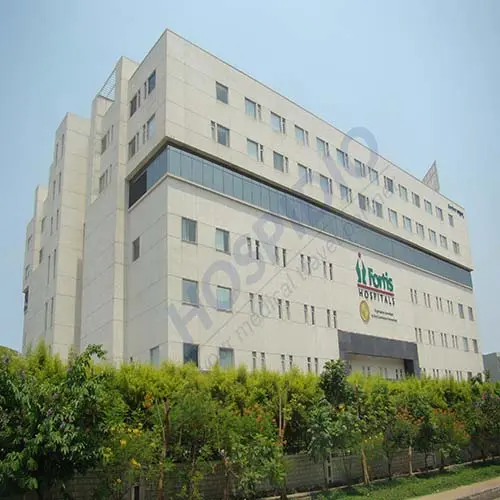
Fortis Hospital, Bannerghatta Road
Bengaluru, IndiaFortis Hospital, Bannerghatta Road, Bengaluru, is a 284-bed facility renowned for its state-of-the-art infrastructure, leading… View More
Book Appointment Chat Now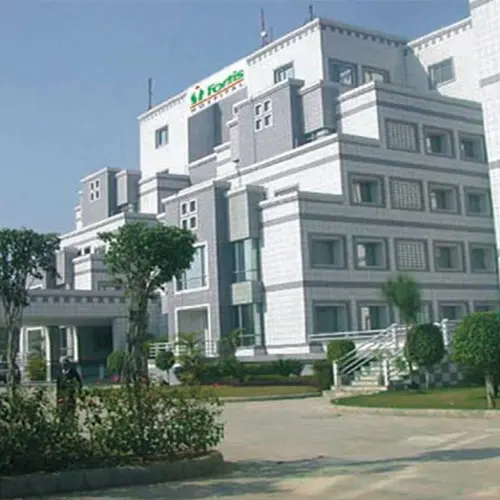
Fortis Flt. Lt. Rajan Dhall Hospital, Vasant Kunj
New Delhi, IndiaFortis Flt. Lt. Rajan Dhall Hospital, situated in Vasant Kunj, stands as a prominent multi-specialty… View More
 Book Appointment Chat Now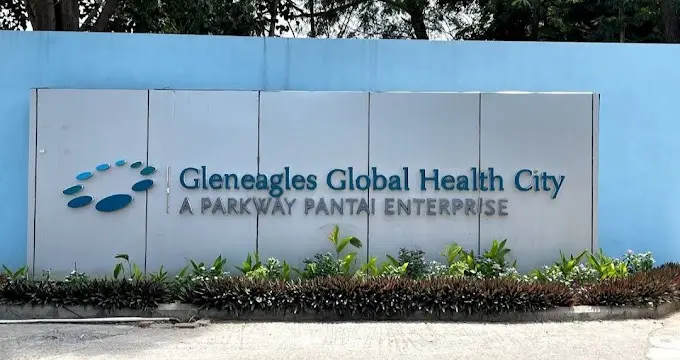
Gleneagles Hospital, Chennai
Chennai, IndiaGleneagles HealthCity Chennai, located in Perumbakkam – Sholinganallur, is a premier quaternary care multi-specialty hospital… View More
Book Appointment Chat Now 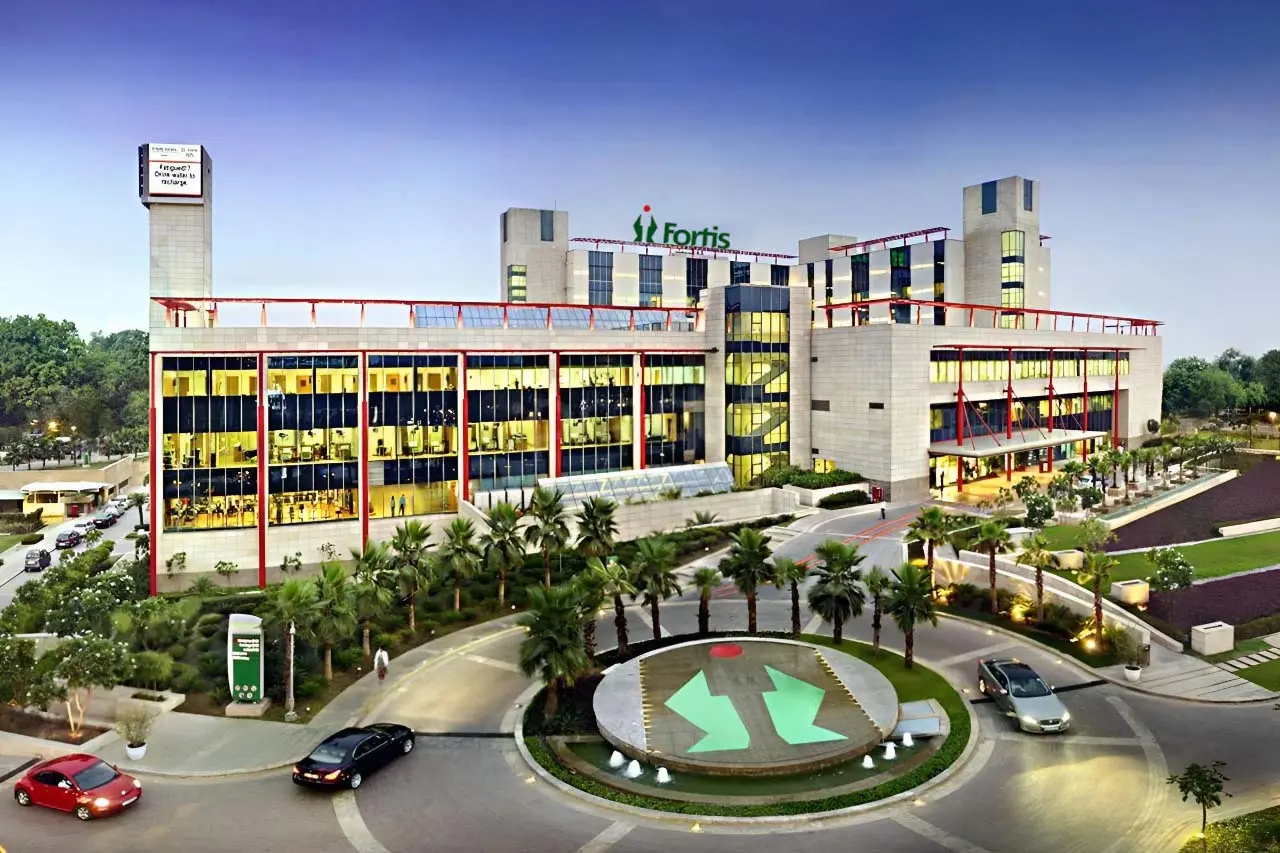
Fortis Memorial Research Institute (FMRI), Gurugram
Gurgaon, IndiaFortis Memorial Research Institute (FMRI) in Gurugram is a leading multi-specialty hospital renowned for its… View More
Book Appointment Chat Now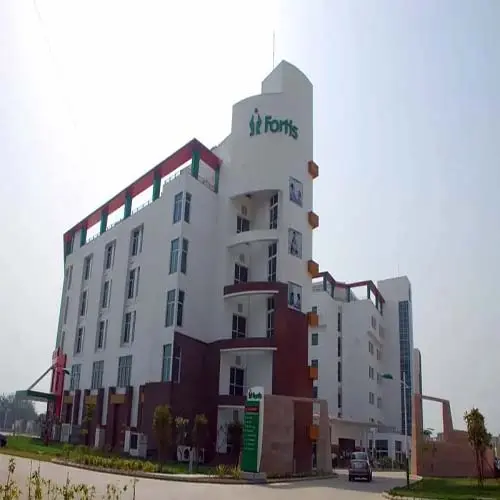
Fortis Super Specialty Hospital, Shalimar Bagh
Delhi, IndiaFortis Hospital, Shalimar Bagh, established in 2010, stands as one of the largest and most… View More
Book Appointment Chat Now 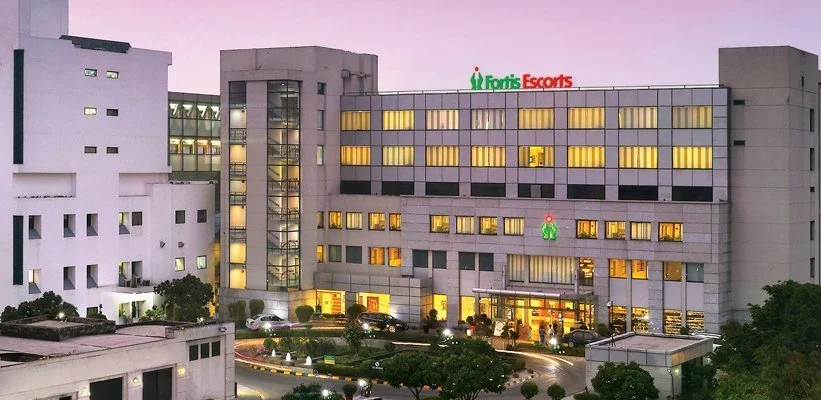
Fortis Escorts Heart Institute, New Delhi
New Delhi, IndiaFortis Escorts Heart Institute, located in New Delhi, is renowned as a premier healthcare facility… View More
Book Appointment Chat Now 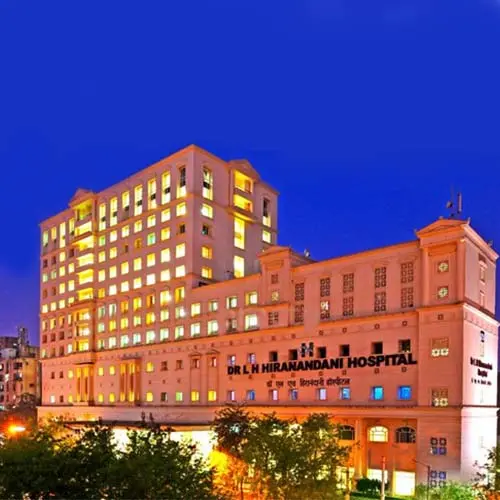
Hiranandani Fortis Hospital, Vashi, Mumbai
Mumbai, IndiaEstablished in 2007, Hiranandani Fortis Hospital, Vashi is a leading multi-specialty tertiary care hospital in… View More
Book Appointment Chat Now 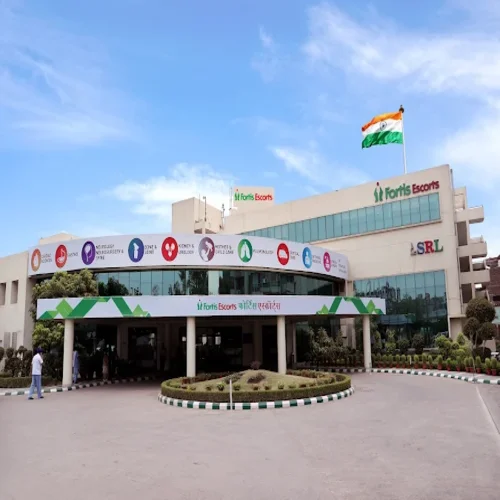
Fortis Escorts Hospital, Faridabad
Faridabad, IndiaFortis Escorts Hospital, Faridabad, is a premier tertiary care centre in the Delhi–NCR, delivering world-class… View More
Book Appointment Chat Now 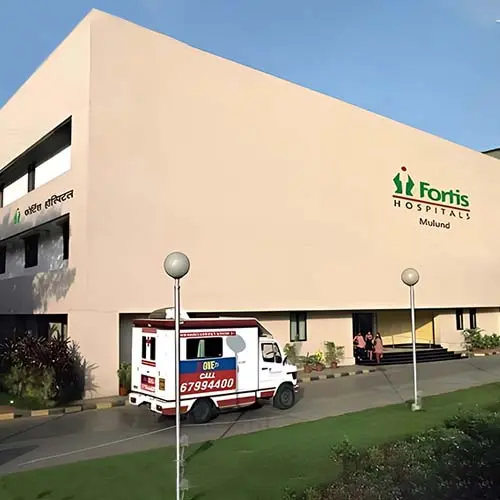
Fortis Hospital, Mulund, Mumbai
Mumbai, IndiaFortis Hospital, Mulund is a leading multi-specialty hospital known for its cutting-edge medical treatments and… View More
Book Appointment Chat Now FAQs
Recent advances in medical oncology have improved treatment outcomes by enhancing early detection, treatment precision, and increasing overall survival rates. Below are some of the latest advancements:
- Immunotherapy
- Checkpoint inhibitors (e.g., nivolumab) boost the immune system’s ability to fight cancers like melanoma and NSCLC.
- CAR-T cell therapy modifies T cells to target and kill cancer cells, showing promise in hematologic cancers.
- Targeted Therapy
- Targeted therapies (e.g., osimertinib for NSCLC) focus on specific mutations driving cancer growth.
- PARP inhibitors (e.g., olaparib) are effective for cancers with genetic mutations like BRCA in breast and ovarian cancer.
- Liquid Biopsy
- Liquid biopsy detects circulating tumor DNA in blood, enabling non-invasive early cancer detection and monitoring.
- It helps track mutations and recurrence, offering a more convenient alternative to traditional biopsies.
- Genomic Profiling
- Next-generation sequencing (NGS) provides a comprehensive molecular analysis of tumors for personalized treatment.
- This enables targeted therapies for cancers like lung and breast cancer, improving treatment outcomes.
- Combination Therapies
- Combining immunotherapy with chemotherapy or targeted therapy has improved survival in cancers like NSCLC.
- This approach enhances the effectiveness of treatments that might be insufficient alone.
- Advancements in Radiotherapy
- Stereotactic radiosurgery delivers high-dose radiation precisely to tumors, minimizing damage to surrounding tissue.
- Proton therapy offers even greater precision, reducing side effects, especially in pediatric cases.
- Cancer Vaccines
- Preventive vaccines like Gardasil protect against cancers caused by HPV, such as cervical cancer.
- Therapeutic vaccines are being developed to stimulate the immune system to target existing tumors.
- Artificial Intelligence and Machine Learning
- AI algorithms assist in early diagnosis, improving tumor detection accuracy.
- AI is also used to personalize treatment plans by predicting patient responses to therapies.
- Microbiome Research
- The gut microbiome influences cancer treatment, with a healthy microbiome enhancing immunotherapy effectiveness.
- Disruptions in the microbiome may reduce the efficacy of treatments like chemotherapy.
- Minimal Residual Disease (MRD) Detection
- MRD detection identifies residual cancer cells after treatment, enabling early intervention to prevent relapse.
- This is particularly useful in blood cancers like leukemia and lymphoma.
- Gene Editing and CRISPR Technology
- CRISPR technology allows precise gene editing to correct mutations or modify immune cells for cancer targeting.
- While experimental, it holds the potential to cure genetically driven cancers in the future.
The most common types of side effects of chemotherapy are as follows:
- Fatigue
- Nausea and Vomiting
- Hair Loss
- Mouth Sores (Mucositis)
- Increased Risk of Infection
- Anemia
- Diarrhea or Constipation.
- Skin Changes
- Neuropathy
- Appetite Loss
- Cognitive Changes (Chemo Brain)
Managing Cancer-Related Pain
- Medications: Use pain relievers (acetaminophen, opioids) and adjuvant drugs (antidepressants, anticonvulsants) for effective pain control.
- Radiation Therapy: Palliative radiation can reduce pain from tumors, especially in bones or soft tissue.
- Physical Therapy: Exercise, massage, and physical therapy can alleviate muscle and joint pain while improving mobility.
Managing Cancer-Related Fatigue
- Energy Conservation: Break tasks into manageable steps and incorporate rest periods to prevent overexertion.
- Physical Activity: Light exercises like walking and stretching can improve stamina and reduce fatigue.
- Diet and Sleep: A balanced diet, proper hydration, and sleep hygiene are crucial for managing fatigue.
- Accredited and Certified Hospitals: Ensure that the hospital is accredited by organizations such as JCI (Joint Commission International) and NABH (National Accreditation Board for Hospitals & Healthcare Providers) to guarantee high standards of care and safety.
- Expert Oncologists: Choose hospitals with highly skilled oncologists who specialize in treating various cancers. Research their qualifications, experience, and success rates to ensure you are receiving expert care.
- Equipped Laboratory: Select a hospital with modern diagnostic tools and advanced technology, including state-of-the-art laboratory equipment for precise cancer diagnosis and treatment.
- Hospital Reputation and Reviews: Read patient reviews and testimonials to assess the hospital’s reputation. Positive feedback from patients is often a good indicator of quality care and successful outcomes.
- Comprehensive Oncology Services: Ensure the hospital offers a wide range of treatments for different cancers, including medical oncology, radiation therapy, chemotherapy, immunotherapy, and targeted therapies.
- Customized Care: The hospital should provide personalized treatment plans tailored to specific cancer types and individual patient needs, ensuring a patient-centered approach for optimal results.
- Transparent Pricing: Choose a hospital with clear pricing policies, covering diagnostics, treatments, medications, and follow-up care, with no hidden charges.
- Post-Treatment Support: Select a hospital that offers comprehensive follow-up care, counseling, and rehabilitation support to ensure a smooth and successful recovery journey.
The success rate of medical oncology treatments in India is approximately 90%.