
Best Nuclear Medicine Hospitals in India
Best Nuclear Medicine Hospitals in India are globally recognized for offering top diagnostic and therapeutic services using advanced nuclear medicine technologies. These top hospitals combine expert medical teams with best facilities, delivering high-precision care for a variety of complex conditions at a fraction of the cost compared to Western countries. Specializing in both diagnostic imaging and targeted therapies, these hospitals effectively treat conditions such as breast cancer, prostate cancer, thyroid cancer, and neurological disorders like Alzheimer’s and Parkinson’s disease.
Equipped with the latest in PET (Positron Emission Tomography) and SPECT (Single Photon Emission Computed Tomography) imaging systems, India’s leading hospitals ensure early and accurate detection, improving treatment planning and outcomes. Therapeutic procedures like radioiodine therapy for thyroid cancer are performed under strict international safety standards, often at 60–70% lower cost than in countries such as the U.S. or U.K. Many of these hospitals hold international accreditations, ensuring adherence to global protocols in nuclear medicine.
International patients are supported through comprehensive medical tourism services, including visa assistance, travel planning, language support and comfortable accommodations. With personalized care plans, world-class technology and proven success rates, the Best Nuclear Medicine Hospitals in India are a trusted choice for patients seeking expert, affordable nuclear medicine treatment.
Get a free cost estimate
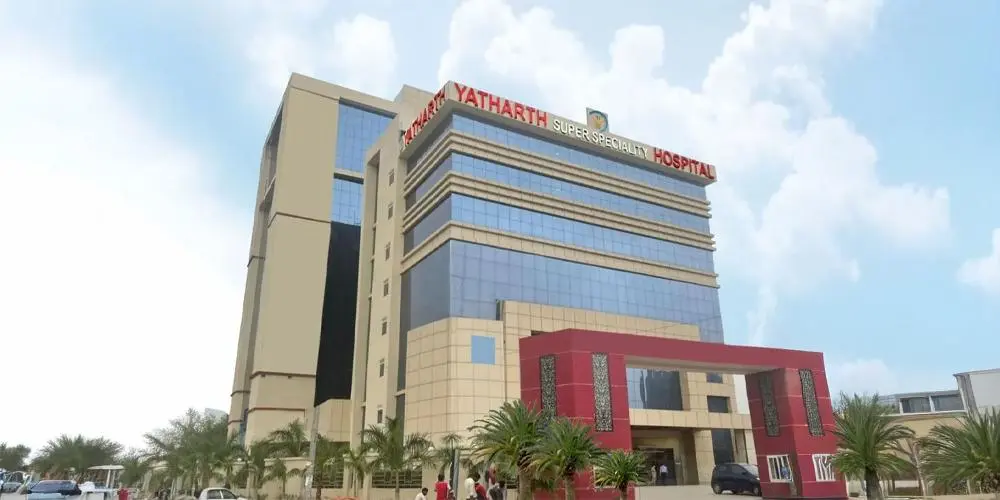
Yatharth Super Speciality Hospital, Noida Extension
Greater Noida, India450+ Bed Capacity 125 Critical Care Beds 30+ SpecialtiesYatharth Super Speciality Hospital, Noida Extension is… View More
 Book Appointment Chat Now
Sir H.N. Reliance Foundation Hospital and Research Centre
Mumbai, IndiaSir H. N. Reliance Foundation Hospital and Research Centre is a state-of-the-art, 345-bed quaternary care… View More
Book Appointment Chat Now 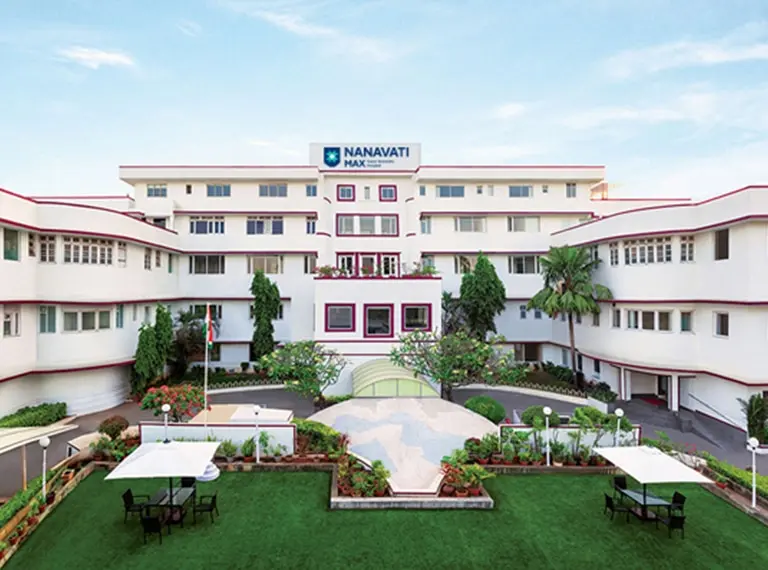
Nanavati Max Super Speciality Hospital, Mumbai
Mumbai, India55+ Specialities 100+ Resident Doctors 350+ BedsNanavati Max Super Speciality Hospital, formerly known as Dr.… View More
Book Appointment Chat Now 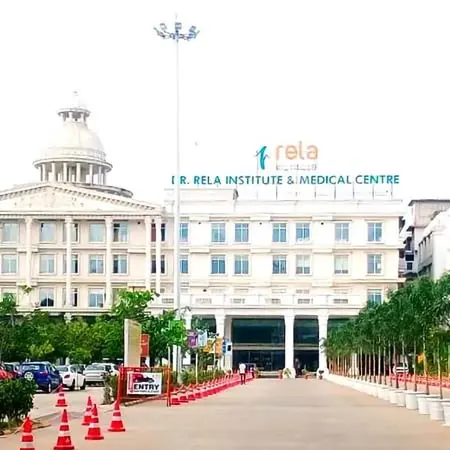
Rela Hospital, Chennai
Chennai, IndiaRela Hospital, a prominent international medical facility, is a quaternary care institution dedicated to meeting… View More
Book Appointment Chat Now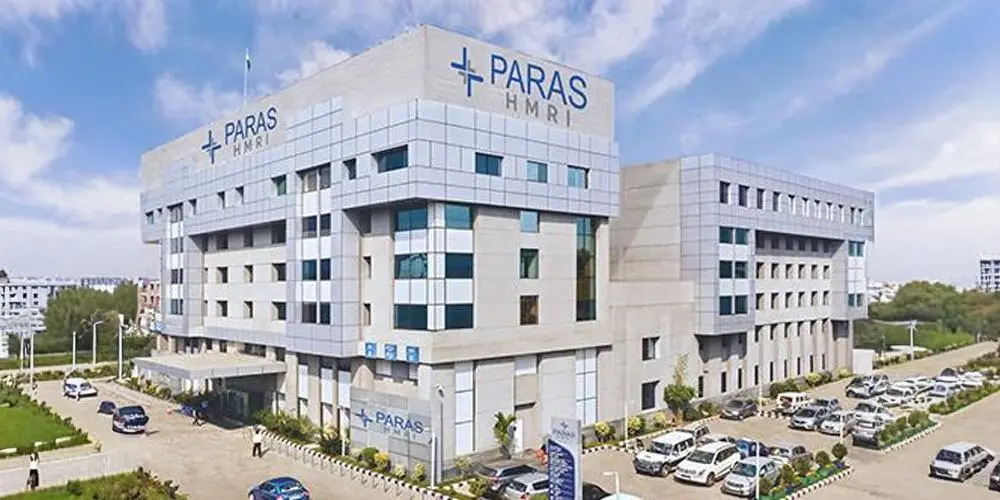
Paras Hospital, Gurugram
Gurugram, India110+ expert doctors 9+ centre of excellence 35+ specialitiesEstablished in 2006, Paras Health, Gurugram is… View More
 Book Appointment Chat Now
MGM Healthcare, Chennai
Chennai, IndiaMGM Healthcare is a leading multi-super-specialty quaternary care hospital located in the heart of Chennai.… View More
Book Appointment Chat Now 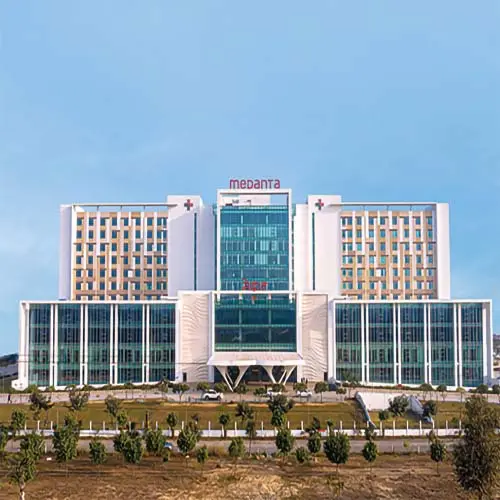
Medanta- The Medicity, Gurugram
Gurugram, IndiaMedanta – The Medicity is one of India’s largest and most renowned multi-super specialty hospitals,… View More
Book Appointment Chat Now FAQs
Nuclear medicine involves diagnosing and treating diseases by detecting gamma ray emissions from small amounts of radioactive materials using scanners. Unlike conventional imaging techniques like X-rays and MRIs, it provides functional rather than just structural views of organs and tissues, enabling targeted treatments to specific parts of the body, such as cancer.
Nuclear medicine is commonly used to diagnose and treat a variety of conditions, including:
- Cancer (e.g., thyroid cancer, prostate cancer, lymphoma)
- Neurological disorders (e.g., Alzheimer’s disease, Parkinson’s disease)
- Heart conditions (e.g., coronary artery disease, myocardial infarction)
- Thyroid disorders (e.g., hyperthyroidism, thyroid cancer)
- Bone diseases (e.g., bone metastases, osteomyelitis)
- Infections and inflammation (radioiodine therapy for thyroid cancer and PET scans for cancer staging).
PET and SPECT techniques in nuclear medicine help diagnose cancers by showing how cells metabolize substances and revealing early tumors. They are also used to assess cancer spread and treatment response. 'Functional imaging' quantifies an activity performed by a system and assigns the observed data to the system's functional parameters. Additionally, it is useful in diagnosing neurological disorders, cardiac conditions, and infections by providing functional images of organs
India offers various advantages for patients looking for nuclear treatment:
- Cost-effectiveness
- Advanced technology
- Skilled professionals
- High-quality care
- Comprehensive medical tourism services
Nuclear medicine treatment in India starts at $1000, significantly lower than the costs in Western countries, which can be 3-5 times higher. This makes India a preferred destination for affordable and advanced nuclear medicine treatments.
International patients who are seeking nuclear medicine treatment in India should look for the following factors:
- Research and choose accredited hospitals: Ensure the facility is internationally recognized and meets high medical standards, with state-of-the-art equipment and experienced medical staff.
- Understanding the treatment regimen: Have a clear understanding of the treatment or diagnostic procedure, its benefits, and the risks involved.
- Medical tourism services: Most Indian hospitals offer a full range of medical tourism services, including visa assistance, transportation, accommodation, and appointment scheduling, to make things easier for international patients.
- Cost breakdown: Be aware of the overall cost of treatment, including any additional fees for consultations, diagnostic tests, and post-treatment follow-up care.
- Bring your medical documents: Carry all previous medical records, including lab reports and imaging results, to ensure continuity of care and proper treatment planning.
- Language and communication: While most hospitals in India have English-speaking staff, it is advisable to confirm this, especially if you do not speak English.