
Best Ophthalmology Hospitals in India
Best ophthalmology hospitals in India offer advanced treatment for a wide range of eye conditions. These hospitals are equipped with the latest technologies and staffed by highly skilled ophthalmologists who specialize in medical and surgical eye care. Patients from western countries come to India for vision correction, cataract surgery, LASIK, retinal disorders, corneal diseases, glaucoma, and pediatric eye problems.
Indian eye hospitals offer advanced diagnostics such as OCT (Optical Coherence Tomography), fundus imaging, visual field tests, and high-resolution slit-lamp exams. Modern surgical techniques such as bladeless cataract surgery, femto-LASIK, retina laser therapy, and corneal transplants ensure safe and effective outcomes. Treatments in India are significantly more affordable, 60–70% lower than in Western countries without compromising on quality.
International patients also benefit from full support services including medical visa guidance, airport transfers, accommodation assistance, and interpreters. With short waiting times and customized care plans, India is a trusted choice for advanced ophthalmology care.
Get a free cost estimate
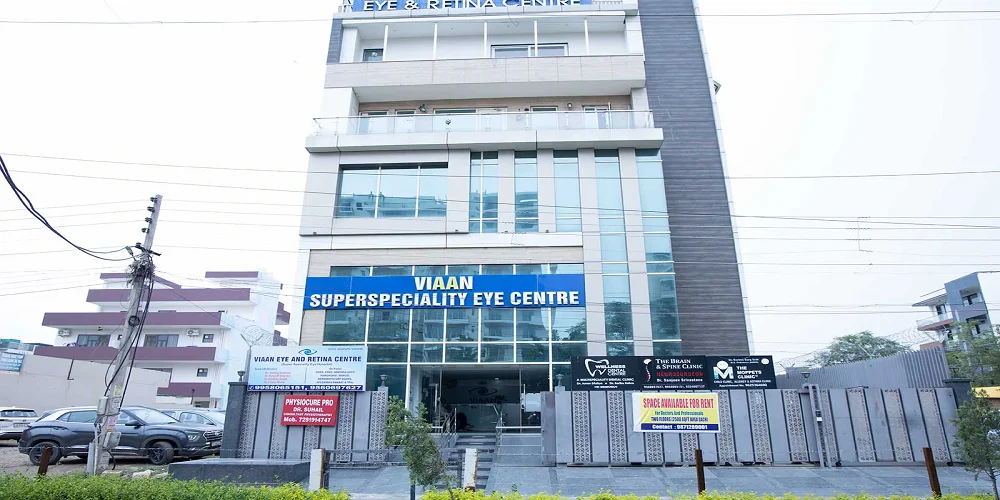
Viaan Eye & Retina Centre (Gurgaon)
Gurgaon, IndiaViaan Eye & Retina Centre is a super‑specialty ophthalmology hospital located in Sector 57, Gurgaon,… View More
Book Appointment Chat Now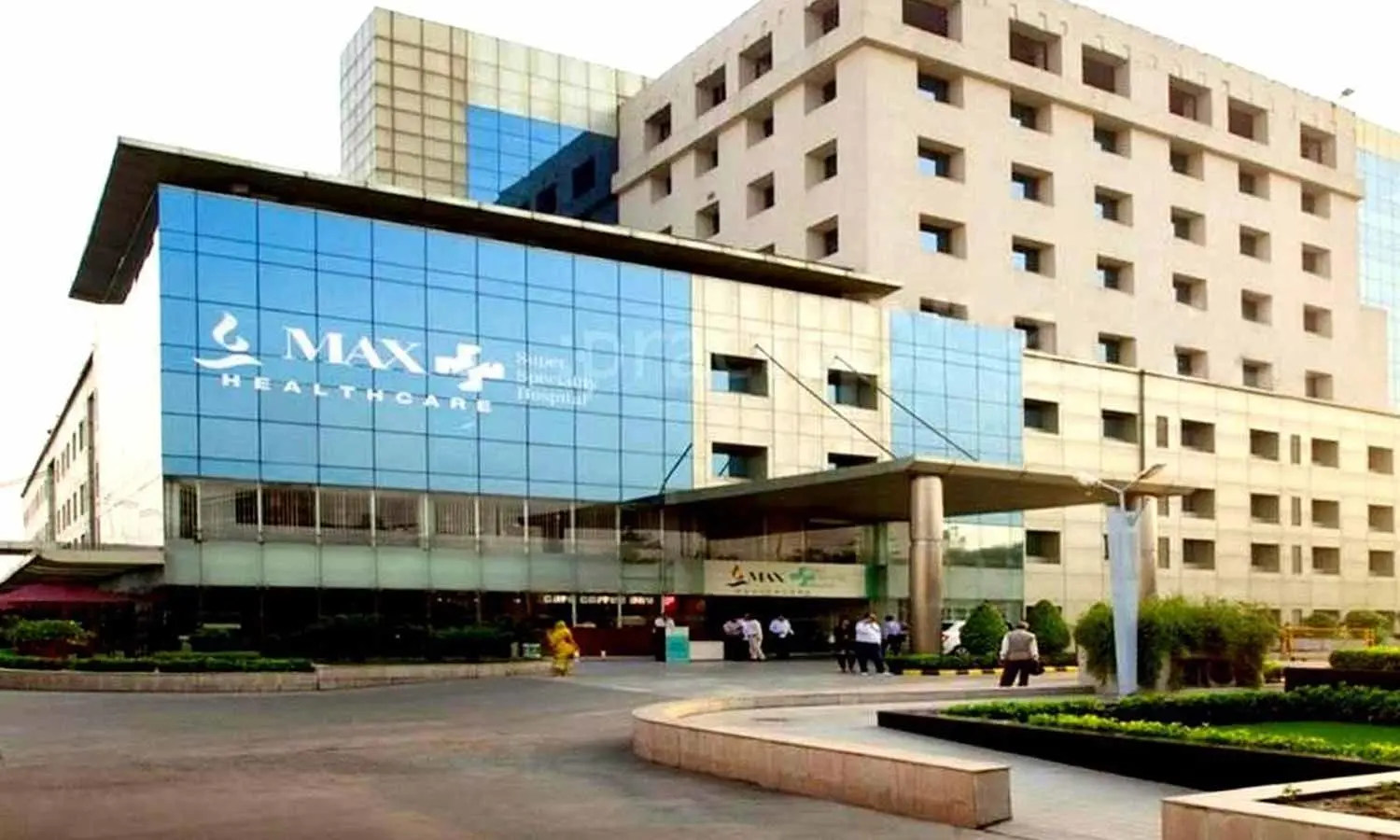
Max Super Speciality Hospital, Vaishali
Ghaziabad, IndiaMax Super Specialty Hospital, Vaishali, Ghaziabad, is a leading 370+ bed facility renowned for its… View More

 Book Appointment Chat Now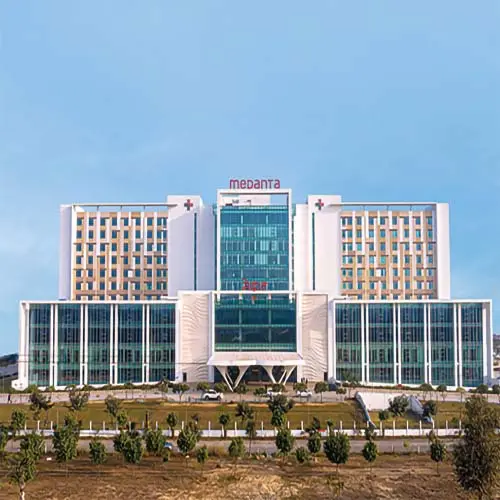
Medanta- The Medicity, Gurugram
Gurugram, IndiaMedanta – The Medicity is one of India’s largest and most renowned multi-super specialty hospitals,… View More
Book Appointment Chat Now 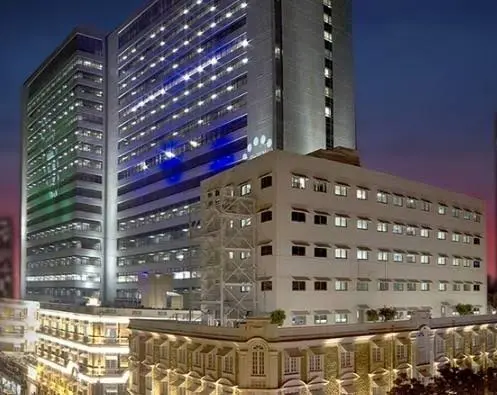
Sir H.N. Reliance Foundation Hospital and Research Centre
Mumbai, IndiaSir H. N. Reliance Foundation Hospital and Research Centre is a state-of-the-art, 345-bed quaternary care… View More
Book Appointment Chat Now 
Sharda Hospital, Greater Noida
Greater Noida, IndiaSharda Hospital, a state-of-the-art multi-superspeciality institution, is recognized for providing medical care that meets global… View More
Book Appointment Chat Now 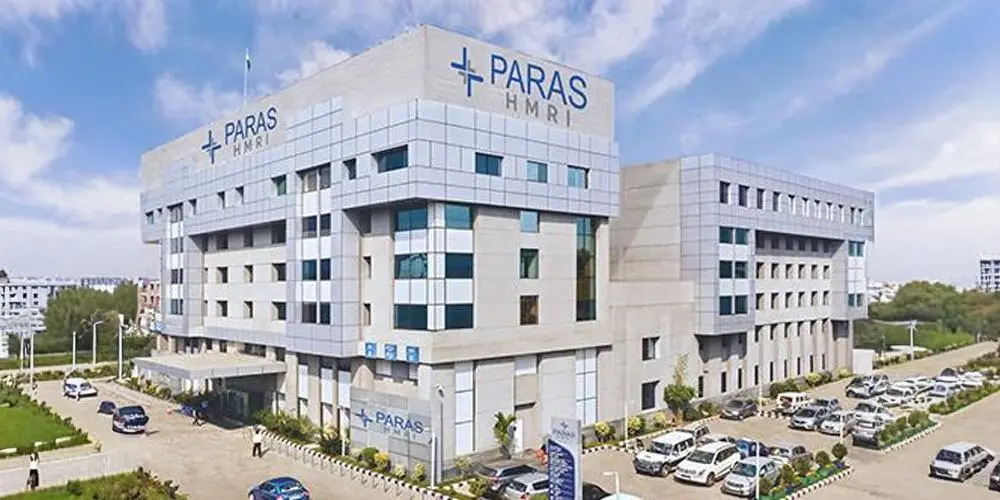
Paras Hospital, Gurugram
Gurugram, India110+ expert doctors 9+ centre of excellence 35+ specialitiesEstablished in 2006, Paras Health, Gurugram is… View More
 Book Appointment Chat Now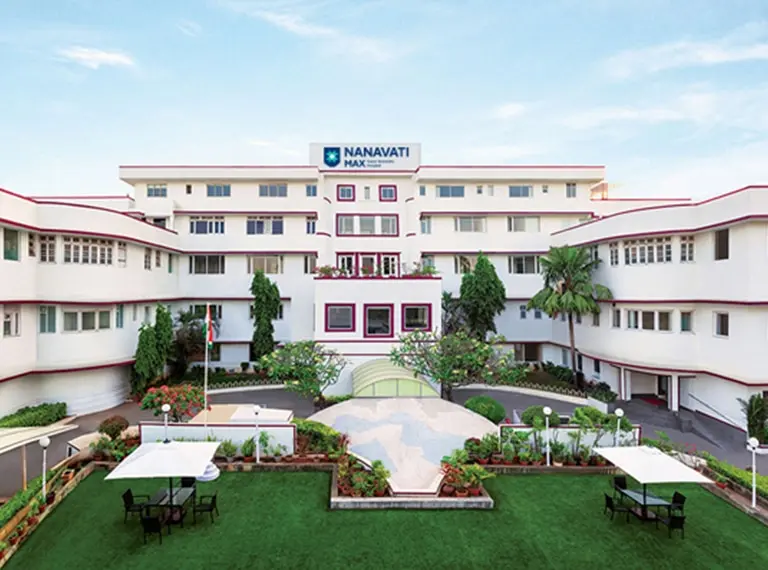
Nanavati Max Super Speciality Hospital, Mumbai
Mumbai, India55+ Specialities 100+ Resident Doctors 350+ BedsNanavati Max Super Speciality Hospital, formerly known as Dr.… View More
Book Appointment Chat Now 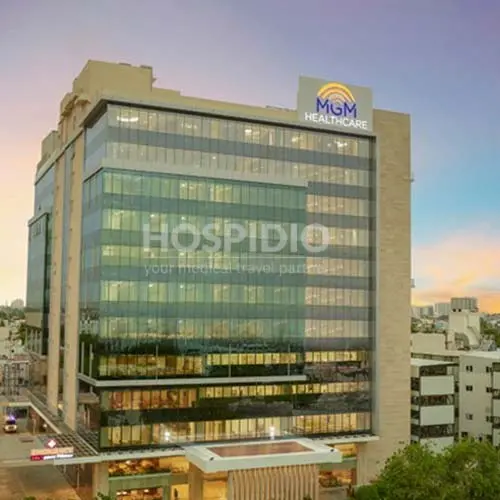
MGM Healthcare, Chennai
Chennai, IndiaMGM Healthcare is a leading multi-super-specialty quaternary care hospital located in the heart of Chennai.… View More
Book Appointment Chat Now 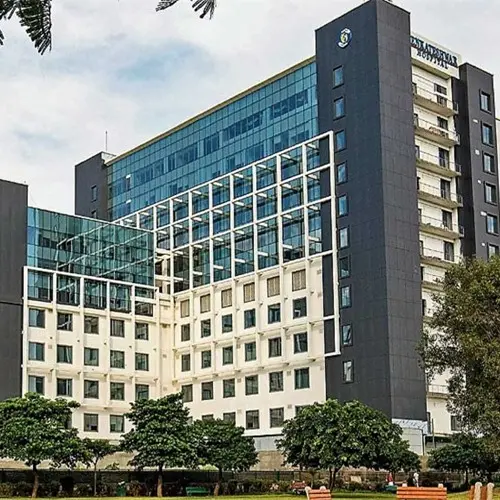
Venkateshwar Hospital, Delhi
New Delhi, IndiaVenkateshwar Hospital is a premier healthcare institution renowned for its commitment to providing high-quality medical… View More
Book Appointment Chat Now 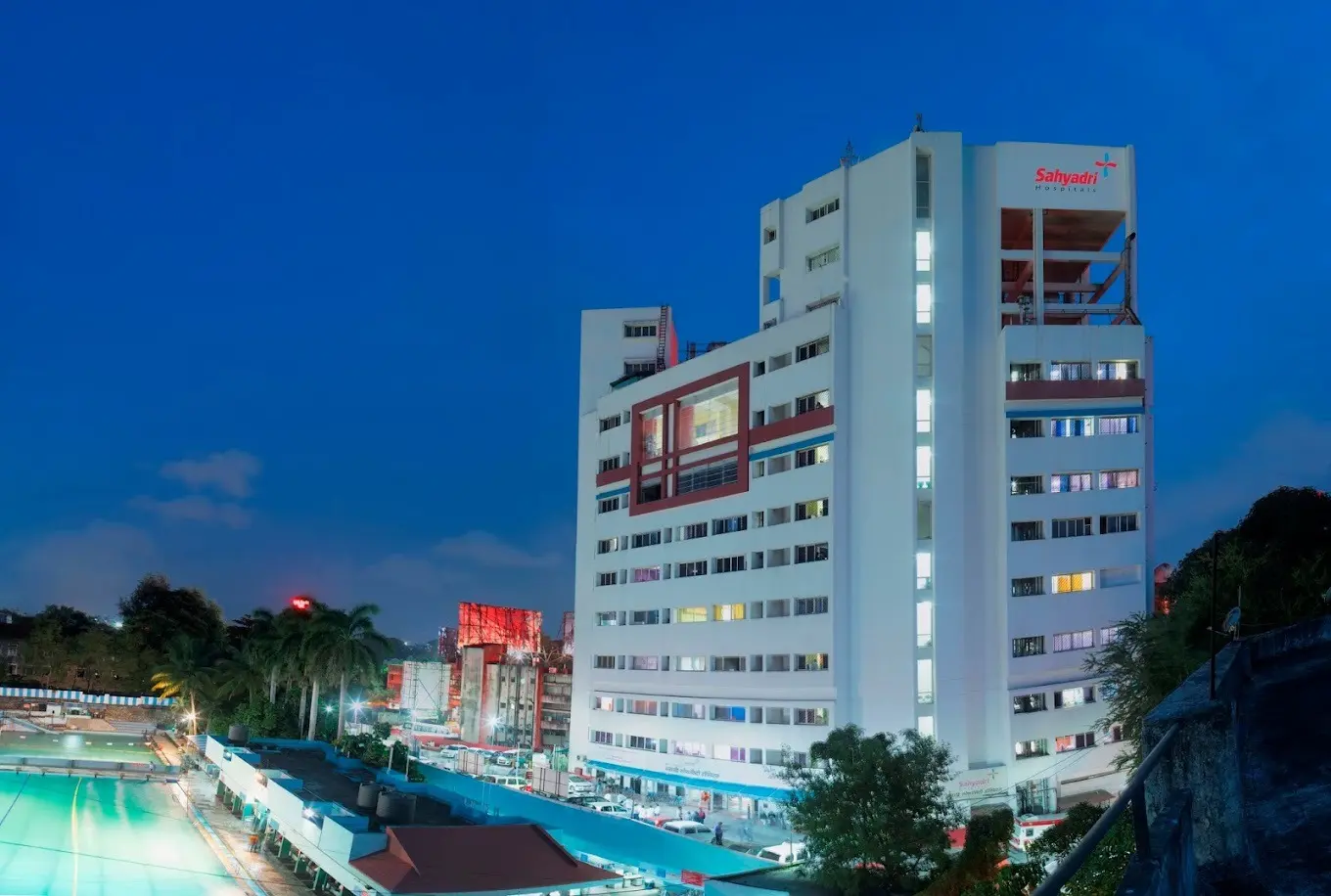
Sahyadri Super Speciality Hospital, Deccan Gymkhana, Pune
Pune, IndiaSahyadri Super Speciality Hospital, located in the bustling area of Deccan Gymkhana in Pune, is… View More
Book Appointment Chat Now FAQs
Indian eye hospitals treat a wide range of conditions including cataracts, glaucoma, diabetic retinopathy, age-related macular degeneration, retinal detachment, corneal diseases, eye injuries, dry eye syndrome, squint, and refractive errors such as myopia, hyperopia, and astigmatism.
Common procedures include cataract surgery (with premium lens implants), LASIK and other vision correction surgeries, retinal laser treatment, vitrectomy, corneal transplants, glaucoma surgery, and oculoplastic procedures for eyelid and tear duct issues.
Yes, ophthalmology hospitals in India follow global safety standards and use FDA-approved technologies. Surgeons are highly trained, and most procedures are performed using minimally invasive techniques to ensure quick recovery and minimal complications.
Hospitals offer advanced diagnostics such as OCT scans, fluorescein angiography, fundus photography, visual field testing, corneal topography, and pachymetry to ensure accurate diagnosis and precise treatment planning.
For procedures such as cataract or LASIK surgery, patients typically stay for 3–5 days. For more complex surgeries like retinal or corneal procedures, a stay of 1–2 weeks may be required for pre-operative evaluations and post-operative care.