
Best Surgical Oncology Hospitals in India
Best Surgical Oncology Hospitals in India are globally recognized for delivering advanced, comprehensive cancer care through surgical excellence. These hospitals combine highly skilled oncologists, advanced technology, and patient-centric care to treat a wide range of cancers, including gastrointestinal, lung, head & neck cancers, as well as offering specialized expertise in breast cancer surgery.
India has become a preferred destination for surgical oncology due to the 60–70% cost savings compared to Western countries without compromising on quality. The leading hospitals in this field offer advanced minimally invasive procedures, including laparoscopic and robotic-assisted surgeries, aimed at reducing recovery time and surgical risks. Equipped with best operating theaters, image guided systems and robotic surgery platforms, these hospitals are also accredited by internationally recognized healthcare organizations such as JCI and NABH, ensuring that patients receive care that meets or exceeds global standards. Treatment success in surgical oncology depends on cancer type, stage and individual health factors, but India’s top hospitals consistently report high success rates thanks to their multidisciplinary approach and adherence to global treatment protocols.
International patients benefit from personalized treatment plans, multilingual support, faster recovery periods and hassle-free travel and visa arrangements. With a strong focus on affordability, innovation and compassionate care, the Best Surgical Oncology Hospitals in India continue to attract patients from across the world.
Get a free cost estimate
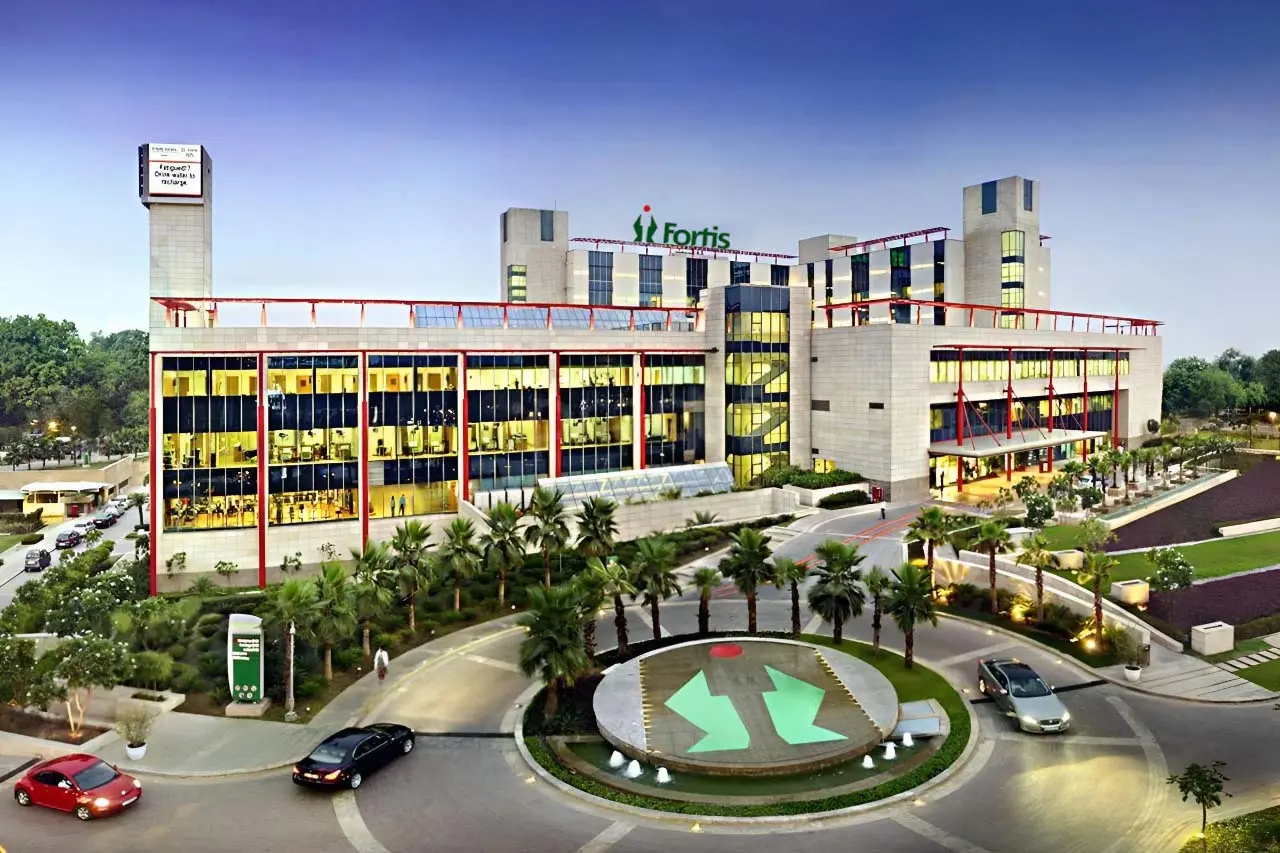
Fortis Memorial Research Institute (FMRI), Gurugram
Gurgaon, IndiaFortis Memorial Research Institute (FMRI) in Gurugram is a leading multi-specialty hospital renowned for its… View More
Book Appointment Chat Now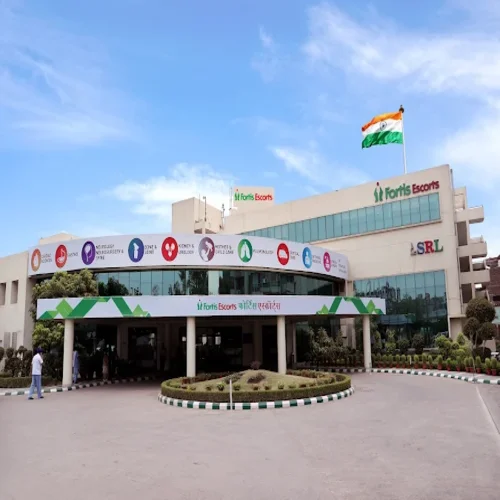
Fortis Escorts Hospital, Faridabad
Faridabad, IndiaFortis Escorts Hospital, Faridabad, is a premier tertiary care centre in the Delhi–NCR, delivering world-class… View More
 Book Appointment Chat Now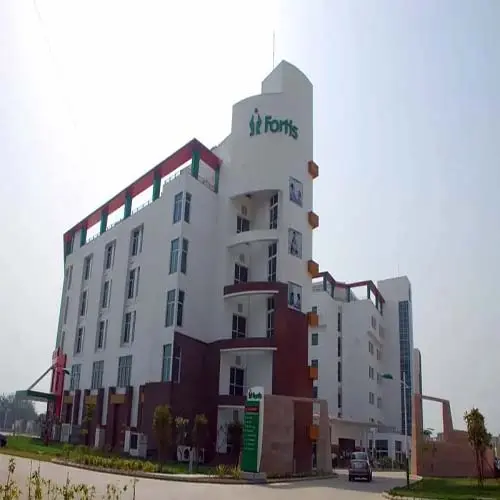
Fortis Super Specialty Hospital, Shalimar Bagh
Delhi, IndiaFortis Hospital, Shalimar Bagh, established in 2010, stands as one of the largest and most… View More
Book Appointment Chat Now 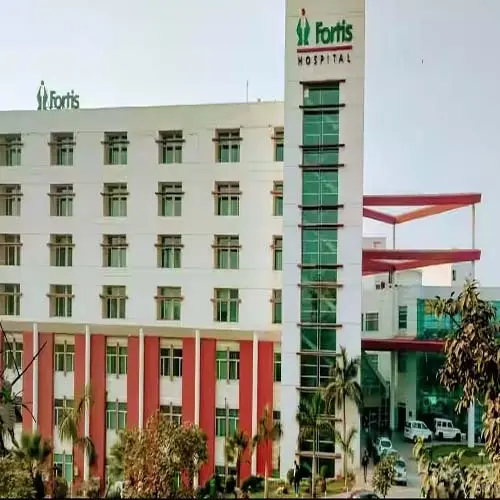
Fortis Hospital, Noida
Noida, IndiaFortis Hospital Noida is a leading multi-specialty hospital located in the city of Noida, Uttar… View More
 Book Appointment Chat Now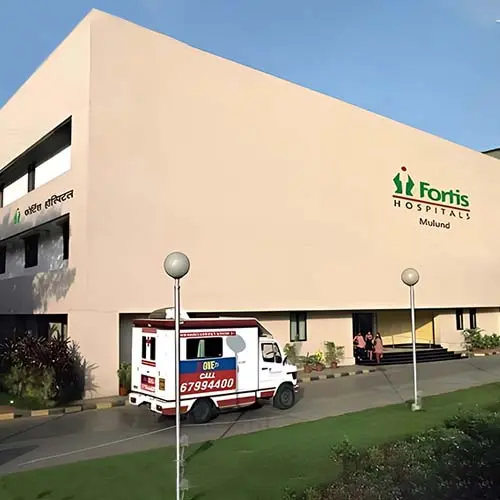
Fortis Hospital, Mulund, Mumbai
Mumbai, IndiaFortis Hospital, Mulund is a leading multi-specialty hospital known for its cutting-edge medical treatments and… View More
Book Appointment Chat Now 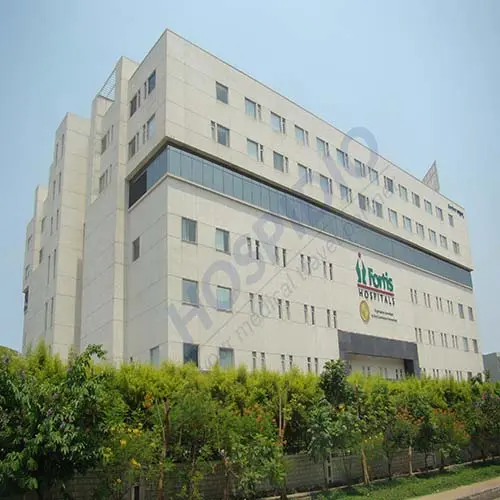
Fortis Hospital, Bannerghatta Road
Bengaluru, IndiaFortis Hospital, Bannerghatta Road, Bengaluru, is a 284-bed facility renowned for its state-of-the-art infrastructure, leading… View More
Book Appointment Chat Now
Gleneagles Hospital, Chennai
Chennai, IndiaGleneagles HealthCity Chennai, located in Perumbakkam – Sholinganallur, is a premier quaternary care multi-specialty hospital… View More
Book Appointment Chat Now 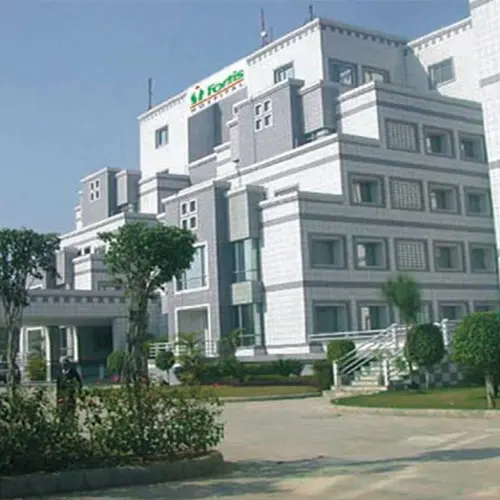
Fortis Flt. Lt. Rajan Dhall Hospital, Vasant Kunj
New Delhi, IndiaFortis Flt. Lt. Rajan Dhall Hospital, situated in Vasant Kunj, stands as a prominent multi-specialty… View More
Book Appointment Chat Now 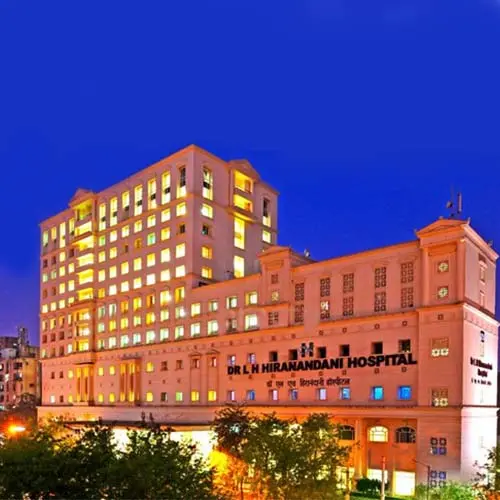
Hiranandani Fortis Hospital, Vashi, Mumbai
Mumbai, IndiaEstablished in 2007, Hiranandani Fortis Hospital, Vashi is a leading multi-specialty tertiary care hospital in… View More
Book Appointment Chat Now 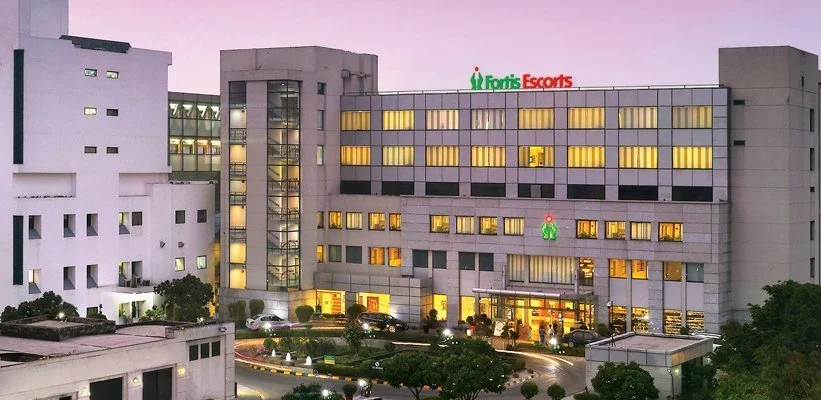
Fortis Escorts Heart Institute, New Delhi
New Delhi, IndiaFortis Escorts Heart Institute, located in New Delhi, is renowned as a premier healthcare facility… View More
Book Appointment Chat Now FAQs
HOSPIDIO plays a crucial role in facilitating international patients' access to high-quality surgical oncology treatments. Below are the key roles it performs:
Hospital Coordination: HOSPIDIO connects international patients with top accredited hospitals specializing in surgical oncology.
Logistical Support: It handles travel, visas, accommodation, and transportation, ensuring a hassle-free experience.
Cost Transparency: The agency offers clear pricing and financial guidance, leveraging India’s affordable treatment options.
Pre- and Post-Treatment Care: HOSPIDIO organizes consultations, diagnostics, and follow-ups, ensuring continuity of care.
Cultural and Language Assistance: It provides translators and culturally sensitive support for a comfortable experience.
Customized Plans: Tailored treatment plans are designed based on individual patient needs and preferences.
There are various challenges faced by surgical oncologists in treating advanced stage cancers are given below:
- Late Diagnosis
- Complex Surgeries
- Resistance to Treatment
- Patient Health
- Post-Surgical Complications
- Psychological Impact
The most common cancer treated through surgical oncology are:
- Breast Cancer: Most patients are treated through mastectomy or lumpectomy. Outcomes generally improve with early detection and less invasive procedures like breast-conserving surgery.
- Lung Cancer: More localized cancers are treated with surgical removal of tumors, usually via lobectomy or pneumonectomy. Success rates are higher in earlier stages, but advanced stages may present greater challenges.
- Colorectal Cancer: Surgery to remove tumors or affected parts of the colon, followed closely by chemotherapy, leads to better survival rates, particularly when performed at early stages.
- Gastrointestinal Cancer: Surgical resection of tumors in the stomach or esophagus offers the greatest chance for a cure if undertaken at an early stage. However, advanced stages require more complex techniques.
- Head and Neck Cancer: Resection or neck dissection is the most common approach. Success rates are higher in early-stage disease, but they decrease as the disease progresses.
- Ovarian Cancer: Debulking surgery, with or without chemotherapy, improves outcomes when performed at early stages.
The latest advancement in minimally invasive surgical oncology techniques include:
Robotic-Assisted Surgery: This technique significantly reduces complication rates and accelerates recovery through small incisions, allowing complex tumor removal with greater precision.
Laparoscopic Surgery: Performed through small incisions, this procedure removes tumors, leaving minimal scars and promoting faster recovery. It is most commonly applied in colorectal and gastrointestinal cancers.
Image-Guided Surgery: This technique uses three-dimensional imaging before, during, and after surgery for precise tumor removal, minimizing the risk of leaving behind any cancerous tissue.
Endoscopy: Tumor removal or biopsy is performed through natural body openings, avoiding large incisions, especially in gastrointestinal cancer cases.
Cryosurgery and Laser Surgery: These methods destroy tumors using extremely low temperatures or focused laser beams, offering minimally invasive treatments for cancers such as skin, lung, or non-metastatic prostate cancer.
Targeted and Molecular Therapies: When combined with surgery, these therapies provide enhanced precision for cancers with specific genetic markers, further improving treatment outcomes.
Surgical oncology success rates in India range from 70% to 90%, depending on the cancer type and stage, with outcomes comparable to leading global standards. India offers these high success rates at 60-70% lower costs than Western countries, while maintaining quality care.