
Best Urologists in India
Best Urologists in India are highly qualified, holding degrees in MCh (Urology), MS (General Surgery), or DNB in Urology. Many of them have done training from leading medical institutions in India and abroad, ensuring world-class expertise. These specialists treat a wide range of urological conditions, including kidney stones, prostate problems, bladder issues, urinary tract infections (UTIs), and male infertility.
With state-of-the-art facilities and modern techniques, Indian urologists offer treatments such as minimally invasive surgery, robotic-assisted procedures, and advanced diagnostic tests. Patients from across the world trust Indian urologists for their high success rates, affordability, and patient-centered care. India offers advanced treatment options for complex urological problems, providing international patients with a cost-effective alternative to Western healthcare.

Dr. Madhav H. Kamat
Consultant Urologist 50+ Years of experience Sir H.N. Reliance Foundation Hospital and Research Centre Mumbai, India
Dr. Muruganandham K
HOD and Senior Consultant Renal Sciences 19+ Years of experience Gleneagles Hospital, Chennai Chennai, India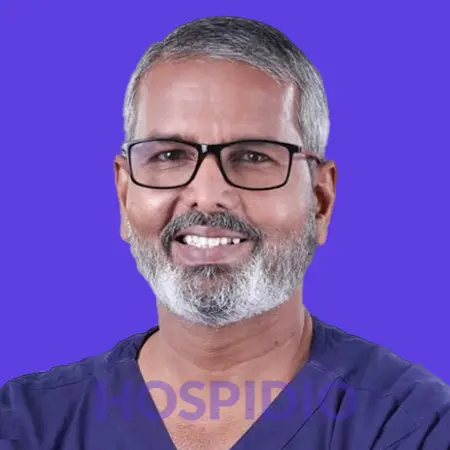
Dr. Muthu Veeramani
Director and Senior Consultant Urology 25+ Years of experience SIMS Hospital, Vadapalani, Chennai Chennai, India
Dr. Nayan Sanghvi
Consultant Urologist and Renal Transplant Surgeon 35+ Years of experience Sir H.N. Reliance Foundation Hospital and Research Centre Mumbai, India
Dr. Pankaj N Maheshwari
Chief of Urology, Uro and Robotic Surgery 20+ Years of experience Fortis Hospital, Mulund, Mumbai Mumbai, India
Dr. Paresh Jain
Director, Urology 13+ Years of experience Fortis Escorts Heart Institute, New Delhi New Delhi, India
Dr. Percy Chibber
Senior Consultant – Urology 46+ Years of experience Jaslok Hospital and Research Centre, Mumbai Mumbai, India
Dr. Phiroze F. Soonawalla
Consultant Urologist and Transplant Surgeon 32+ Years of experience Sir H.N. Reliance Foundation Hospital and Research Centre Mumbai, India
Dr. Pradeep Bansal
Director and Unit Head Urology 20+ Years of experience Fortis Memorial Research Institute (FMRI), Gurugram Gurgaon, India
Dr. Prakash Sankapal
Consultant Urologist 12+ Years of experience Hiranandani Fortis Hospital, Vashi, Mumbai Mumbai, IndiaFAQs
A urologist is a medical doctor who specializes in diagnosing, treating, and managing conditions related to the urinary tract and male reproductive system.
The most common urological procedures performed in India are:
Kidney Stone Treatment
Prostate Surgery
Bladder Surgery
Circumcision
Vasectomy
The advanced urological treatment and technologies available in India are given below:
Laser Surgery: Used to treat conditions such as kidney stones or enlarged prostate (laser prostatectomy), offering minimally invasive options with faster recovery.
Robotic-Assisted Surgery: Robotic technology provides high precision in complex urological surgeries, with minimal incisions and quicker recovery times.
Endoscopic Procedures: Minimally invasive procedures, such as cystoscopy and ureteroscopy, allow urologists to examine and treat the urinary tract without the need for large incisions.
Urologists in India are highly skilled in treating various urological cancers, some of them are given below:
Kidney Cancer: Such as renal cell carcinoma (RCC), treated with surgery or targeted therapies.
Prostate Cancer: Managed with surgery, radiation therapy, or hormone therapy, depending on the stage.
Bladder Cancer: Treated with surgery, chemotherapy, or immunotherapy.
Testicular Cancer: Treated with surgery, chemotherapy, or radiation therapy, depending on the stage.
In India, kidney stones are treated using a variety of methods, including both invasive and non-invasive options:
Lithotripsy (ESWL): A non-invasive treatment where shock waves are used to break kidney stones into smaller pieces, which can then be passed naturally.
Ureteroscopy: A procedure where a small camera is inserted through the urinary tract to remove or break down stones in the kidneys or ureters.
Percutaneous Nephrolithotomy (PCNL): A minimally invasive surgical technique used for larger kidney stones, involving a small incision to remove stones.
Medications: For small stones, medications may be prescribed to help the stone to dissolve or pass the stone more easily.