About Hospital
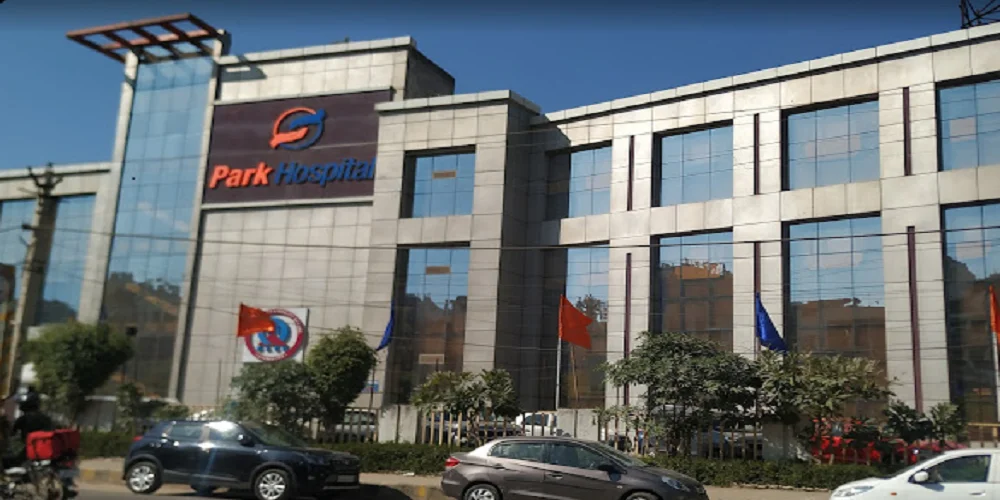
Established in April 2012, Park Hospital, Gurugram is a flagship facility of the Park Group of Hospitals, operating via its subsidiary Park Medicenters. With a bed capacity of 275 beds (including 95 critical-care beds) as of September 30, 2024, the hospital is designed to serve the rapidly growing healthcare needs of Gurugram, Sohna Road and the adjoining NCR belt.
The facility presents itself as a super-multi-speciality hospital that brings together advanced technological interventions (including robot-assisted surgery via the iMARS platform) and broad clinical coverage across major specialties. Beyond core treatment, the hospital emphasizes integrated patient-care: dedicated critical care units, 24×7 emergency services, and multimodal diagnostics under one roof. The hospital also participates in national health schemes (such as Ayushman Bharat), providing empanelled services to eligible patients.
Park Hospital sits in a competitive and expanding healthcare market in Gurugram, where bed-density and service demand are high. The hospital focuses on outcomes, multidisciplinary care pathways, and transparent pricing (fixed-tariff packages) to simplify financial planning for patients and caregivers. Its combination of infrastructure, specialized teams, and allied services positions it as a major referral destination for complex surgical and medical care in the NCR region.
Location
Full Address- Q Block, South City 2, Sohna Road, Sector 47, Gurugram – 122001, Haryana, India.
Nearest Airport- Indira Gandhi International Airport (IGI), New Delhi (approx. 30–45 minutes drive depending on traffic).
Nearest Station- Gurugram Railway Station (formerly Gurgaon) or the Gurgaon Rapid Metro / Delhi Metro link at HUDA City Centre; local taxi/auto from Sector 47.
Nearest Hotels-
- Hilton Garden Inn Gurugram Baani Square
- Lemon Tree Hotel, Sohna Road
- The Oberoi Gurgaon (5-star — fallback option)
Infrastructure
- 275-bed capacity including major critical care units (as of Sept 2024)
- Modular Operation Theatres equipped for minimal access, robotic and conventional surgeries
- Built on modern hospital-campus format, located on Sohna Road Sector 47
- Dedicated departments structured as Centres of Excellence (Cardiac, Neurosciences, Kidney Transplant, Orthopaedics, Cancer etc.)
- Advanced digital systems: Imaging, computerized hospital management systems, 3D/robot-navigation for surgeries
- Integrated multi-storey infrastructure housing IPD, ICU, OT, diagnostics and support services within the same campus
Facilities
- 24 × 7 Emergency Department
- Dedicated ICU & Critical Care beds (95 in total)
- Robot-assisted surgery (iMARS platform)
- Cath Lab / Hybrid operating suites
- Dialysis & Renal Transplant Unit
- Blood Bank
- Full diagnostics: CT, MRI, Interventional Radiology, Nuclear Medicine
- Physiotherapy & Rehabilitation Centre
- Multi-specialty Out-Patient Departments (OPDs)
- In-house Pharmacy & Ambulance Services
Specialities
Cardiac Sciences
The Cardiac Sciences department at Park Hospital delivers a comprehensive suite of heart-care services ranging from diagnostics, interventional procedures, to open-heart surgery and post-operative rehabilitation. Using state-of-the-art catheterisation labs, electrophysiology labs, and skilled surgical teams, the hospital offers services such as coronary angiography, angioplasty, coronary artery bypass grafting (CABG), valve repair/replacement, and complex congenital cardiac surgery in adults.
Given the rapid rise of cardiovascular disease in the NCR region, the hospital’s cardiac wing is designed to handle acute emergencies (STEMI, cardiogenic shock), maintain intensive care units dedicated to post-cardiac surgery monitoring, and run cardiac rehabilitation programmes. Highlights include minimally invasive and robotic-assisted surgical options to reduce incision size, bleeding, hospital stay and expedite recovery. Through the integration of pre-operative risk assessment, intra-operative digital monitoring and post-operative follow-up clinics, the Cardiac Sciences team provides end-to-end care. They also participate in community heart-health awareness and continuing education initiatives.
The key value proposition lies in combining advanced infrastructure (e.g., flat-panel cath lab, hybrid ORs) and experienced cardiac surgeons supported by intensivists, perfusionists, cardiac anaesthetists and dedicated nursing staff. This allows the hospital to undertake high-risk cases including multivessel disease, valve repair in elderly or comorbid patients, and emergent heart-lung bypass procedures. With an emphasis on outcomes and cost-effectiveness, Park Hospital offers fixed-tariff packages for common cardiac interventions to help patients plan financially.
Neurosciences – Brain & Spine
The Neurosciences department is a key surgical specialty at Park Hospital, delivering care for conditions affecting the brain, spinal cord, nerve roots and peripheral nervous system. From traumatic brain injuries and spine fractures to complex brain tumour resections and epilepsy surgery, the unit is equipped with advanced tools: neuro-microscopes, intra-operative neuromonitoring, 3D imaging, endoscopic spine surgery, and robotic/laser-assisted technologies such as X-knife.
The spine surgery subgroup handles degenerative disc disease, spondylolisthesis, scoliosis, spinal fusion instrumentation (anterior and posterior approaches) and minimally invasive microdiscectomies. The brain tumour team manages both benign and malignant lesions, employing techniques such as trans-sphenoidal surgery for pituitary tumours, craniotomies for gliomas/meningiomas, and radiosurgery via stereotactic systems.
Crucially, the neurosurgery service integrates with the critical care unit for head injury management, stroke neuro-monitoring, and neuro-rehabilitation. These conditions often involve multidisciplinary input (neurology, neuro-oncology, physiotherapy, speech therapy); the hospital ensures continuity of care—from acute intervention to rehabilitation—making it a preferred referral centre for complex neurosurgical cases in the region.
Bone, Orthopaedics, Joint Replacement & Sports Medicine
Orthopaedics at Park Hospital addresses a full spectrum of musculoskeletal disorders—from simple fractures to complex joint replacements and sports-injury management. The joint replacement programme includes hip, knee, shoulder replacements, revision surgeries, and robotic/ computer-navigation assisted surgeries that enhance alignment accuracy and long-term implant survival. The sports medicine wing offers arthroscopic surgeries (ACL/PCL reconstructions, meniscus repair), cartilage regeneration techniques, and physiotherapy-driven rehabilitation plans.
Operating theatres are configured for orthopaedic trauma, arthroplasty, fixation surgeries, spine-orthopaedic combined operations, and emergency trauma care. The collaboration between orthopaedic surgeons, physiotherapists, pain-management specialists and sports-physicians ensures a holistic approach: acute surgical intervention, early mobilisation, structured rehab and return-to-activity protocols.
Given the urban lifestyle of Gurugram, with younger populations engaged in sporting activities as well as older adults seeking joint longevity, this specialty has gained prominence. Park Hospital emphasises expedited pathways (pre-hab, enhanced recovery after surgery – ERAS protocols) to minimise hospital stay and improve outcomes, positioning the hospital strongly among regional orthopaedic centres.
Gastroenterology & Surgical Gastroenterology
The Gastroenterology and Surgical Gastroenterology department treats disorders of the gastrointestinal tract, liver, pancreas, and biliary system both medically and surgically. Medical gastroenterologists handle conditions such as viral/hepatic liver disease, inflammatory bowel disease (IBD), endoscopic interventions (ERCP, endoscopic ultrasound, variceal therapies). Surgeons perform laparoscopic and open gastrointestinal surgeries—appendectomy, cholecystectomy, colorectal resections, pancreaticoduodenectomy (Whipple’s procedure), liver resections, and bariatric surgeries.
As obesity and lifestyle-related hepatobiliary disorders rise in the India-NCR region, Park Hospital offers minimally invasive and robotic-assisted surgeries that reduce trauma and speed recovery. The synergy of diagnostics (endoscopy, imaging), surgical teams and critical care ensures management of complex cases such as gastrointestinal cancers, acute pancreatitis complications and liver resections. This full-spectrum care—from outpatient endoscopy to major hepatobiliary surgery—makes it a comprehensive choice for GI care in the region.
Cancer Care (Oncology including Surgical, Medical & Radiation)
The Cancer Care speciality covers oncology services: medical oncology (chemotherapy, targeted therapy, immunotherapy), surgical oncology (tumour resections, debulking, reconstructive oncoplastic surgery) and radiation oncology (external beam, brachytherapy). The surgical oncology team collaborates with gastro-surgery, thoracic surgery, gynaecologic oncology, breast surgery, reconstructive plastic surgery and bone-marrow transplant services.
Park Hospital offers multidisciplinary tumour boards, molecular diagnostics, and patient-centric care plans including palliative and supportive oncology. The availability of bone-marrow transplant, robot-assisted surgery, advanced radiation oncology set-ups and integrated diagnostics gives the hospital a robust oncology profile. The synergy of surgical, medical, radiation and supportive oncology allows diagnosis through follow-up within the same ecosystem.
Other Specialties:
| Renal Sciences & Kidney Transplant | General & Laparoscopic Surgery | Plastic & Cosmetic Surgery |
| iMARS / Robot-Assisted Surgery | Bone Marrow Transplant | Bariatric Surgery |
| Critical Care | Chest & Respiratory Diseases | Dental Care |
| Dermatology | Endocrinology | Paediatrics |
| Internal Medicine & Geriatrics | Rheumatology | ENT |
| Ophthalmology | Obstetrics & Gynaecology | Interventional Radiology & Imaging |
| Psychiatry | Pathology & Microbiology | Paediatric Surgery |
| Fertility Management | Nuclear Medicine | Physiotherapy & Blood Bank |
Doctors
- Dr. Manish Kumar Garg — Consultant Neurosurgery, MS & DNB (Neurosurgery), Fellowship WENS (Japan) — Experience approx. 16+ years
- Dr. Himanshu Sharma — Consultant Orthopaedics & Joint Replacement — Experience approx. 16+ years
- Dr. Tapan Shah — General Surgeon — Experience approx. 16+ years
- Dr. Shashikant Sen — Neurosurgery — Experience approx. 16+ years
- Dr. Baghat Hasija — Obstetrics & Gynaecology — Experience 47+ years
Procedure Performed
Coronary Artery Bypass Grafting (CABG)
One of the hallmark procedures in the Cardiac Sciences department is Coronary Artery Bypass Grafting (CABG). This surgical procedure is indicated in patients with significant multi-vessel coronary artery disease where percutaneous approaches may not suffice, or in diabetic/complex patients requiring long-term graft survival. The process begins with detailed pre-operative evaluation including coronary angiography, functional assessments (stress testing), cardiac CT or MRI when needed, and risk stratification. At Park Hospital, after assessing the patient, the cardiac surgeon, anaesthesiologist and perfusion team plan the operation in the hybrid suite / OR equipped with modern monitors.
In the OR, the patient is placed under general anaesthesia, a median sternotomy (or minimally invasive approach) is performed, the heart is placed on cardiopulmonary bypass (for conventional CABG) or off-pump (in selected cases). The surgeon harvests conduits (internal mammary artery, radial artery or saphenous vein), identifies blocked coronary arteries, and grafts bypasses accordingly under high-magnification optics. Intra-operative graft flow measurement and TTFM (transit-time flow measurement) ensure graft patency.
Following surgery, the patient is transferred to a dedicated cardiac-surgery ICU with ventilatory support, inotropic management, continuous ECG/arterial monitoring, early mobilisation and multidisciplinary postoperative care including physiotherapy and dietician input. Complications like arrhythmias, bleeding, infection, graft failure, or renal dysfunction are vigilantly monitored. Within Park Hospital’s setup, the availability of critical care beds (95 beds in total) allows high-risk patients to be managed safely.
Patient education is emphasised: medications (antiplatelets, statins), lifestyle changes (smoking cessation, diet modification, exercise), and cardiac rehab programmes form the post-discharge pathway. The hospital offers fixed-tariff packages which help patients plan the financial aspects of the surgery. Because Gurugram’s population includes many working professionals with stressful lifestyles, early detection and timely CABG interventions at such a facility provide an important healthcare advantage in this region.
Robotic-Assisted Joint Replacement (Knee/Hip)
In the Orthopaedics & Joint Replacement specialty, Park Hospital offers robotic-assisted joint replacements (knee and hip) using computer-navigation and robotic arm technology to enhance accuracy of implant placement, alignment, and limb length equalisation. The procedure begins with advanced imaging (CT scan, MRI) to create a 3D model of the joint anatomy and plan the surgical path pre-operatively. Intra-operatively, the robotic system assists the surgeon in bone cuts, implant positioning and soft-tissue balancing, thereby reducing human error and improving long-term outcomes.
At Park Hospital, the sports-medicine and arthroplasty team integrate the robotic workflow into the theatre: under general or spinal anaesthesia, the patient is positioned, robotic trackers placed, the navigation system registered, and bone preparation done with robotic guidance. The implant is then fixed, stability tested, leg length and alignment confirmed, and wound closure performed with enhanced protocols (for example, minimally invasive incision, motion-sparing technique, blood-conservation methods).
Post-operatively, the patient is transferred to orthopaedic ICU/ward, where early mobilisation begins (day 0 or day 1), physiotherapy is initiated, pain is managed via multimodal protocols, and discharge is planned once criteria are met (typically shorter hospital stay compared to conventional surgery). The hospital’s infrastructure supports trauma care, revision arthroplasty, combined spine-orthopaedic surgeries and sports-rehab programmes. Such high-precision joint-replacement procedures help reduce hospital stay, improve functional outcomes and offer faster return to activity—making Park Hospital a key destination for joint care.
Laparoscopic & Robotic GI Surgery (e.g., Whipple’s Procedure)
Within the Gastro-Surgical specialty, one of the high-complexity procedures performed is the Whipple’s procedure (pancreaticoduodenectomy) using laparoscopic/robotic assistance. This is indicated in periampullary cancers, head of pancreas malignancies, chronic pancreatitis with complications etc. At Park Hospital this involves tumour-board planning (oncology, GI-surgeon, radiology, anaesthesia, ICU), imaging (CT/MRI/MRCP), and pre-habilitation (nutritional support, optimization).
In the operating theatre, after induction of anaesthesia, a minimally invasive approach (laparoscopic ports or robot-arm) is used. The surgeon performs resection of the pancreatic head, duodenum, part of bile duct, gall-bladder, sometimes distal stomach; reconstruction includes pancreaticojejunostomy, hepaticojejunostomy, gastrojejunostomy. Intra-operative frozen section and margin assessment ensure oncologic completeness. The hospital’s critical-care infrastructure supports immediate post-operative care in ICU.
Post-surgery the patient is managed with close monitoring of pancreatic fistula, delayed gastric emptying, infections, bleeding and nutritional support (enteral / parenteral). Early mobilisation, physiotherapy, and infection control protocols are instituted. Oncologic follow-up is then done through the cancer-care department. The hospital’s availability of robotic/advanced laparoscopy positions it to deliver high-end GI-surgical care for complex cancers in NCR.
Kidney Transplantation (Renal Sciences & Kidney Transplant)
In the Renal Sciences & Kidney Transplant unit, Park Hospital performs live-donor kidney transplants and supports pre-transplant work-up, donor evaluation, nephrology post-care, immunosuppression management and long-term follow-up. Before surgery, the transplant team (nephrologist, transplant surgeon, immunologist, anaesthetist) conducts immunological work-up (HLA matching, cross-match), donor/recipient evaluation including cardiology clearance, infection screening, and surgical planning.
During surgery, under general anaesthesia, donor nephrectomy (laparoscopic in many cases) is followed by recipient transplant (vascular anastomosis, ureteric re-implantation). The hospital’s critical-care and dialysis infrastructure support the peri-operative period: pre-emptive dialysis, fluid/electrolyte management, infection prophylaxis and early graft function monitoring. Post-transplant the patient is transferred to a dedicated post-transplant unit where graft function, immunosuppression levels, rejection markers, and comorbid conditions (hypertension, diabetes) are managed.
Given the rising incidence of chronic kidney disease in North India and the shortage of transplant centres, having such services at Park Hospital makes it an important referral destination. The hospital’s compliance with national schemes (Ayushman) and multidisciplinary approach increases accessibility for patients requiring transplants.
Brain Tumour Resection & Spinal Fusion Surgery (Neurosurgery)
In the Neurosciences domain, Park Hospital performs high-complexity neurosurgical procedures such as brain-tumour resections and spinal fusion instrumentation. For brain tumours (gliomas, meningiomas, pituitary adenomas) the pathway begins with MRI/CT imaging, neuro-oncology consultation, neurosurgical planning, ICP monitoring, neuronavigation, and intra-operative monitoring. Using neuro-microscope and potentially robotic/laser-assisted systems (X-knife) the surgeon aims for maximal safe resection. Post-operatively the patient is transferred to neuro-ICU where sedation, intracranial pressure, infection and neurologic status are monitored. Early rehabilitation (physio, speech), oncologic treatment (if needed) and long-term follow-up complete the pathway.
Spinal fusion instrumentation is used in degenerative, traumatic or deformity cases. Pre-operative planning (CT, MRI, dynamic X-rays), intra-operative navigation/robotics, placement of pedicle screws, rods, cages, fusion grafts and postoperative rehabilitation are standard. Park Hospital’s orthopaedic-neurosurgery collaboration, advanced imaging/OR infrastructure, and critical-care support sets the foundation for such high-end procedures.
Other Procedures:
| Hip & Knee Arthroplasty (Conventional and Robotic) | Angioplasty (PCI) and Minimally Invasive Valve Repair | Pancreaticoduodenectomy (Whipple) and Major Hepatobiliary Surgery |
| Live-donor Kidney Transplant | Bone Marrow Transplant (Autologous / Allogeneic) | Sleeve Gastrectomy & Bariatric Surgery |
| Craniotomy for Brain Tumour | ACL/PCL Arthroscopic Reconstruction & Sports-Medicine Surgery | Robotic Urological Surgeries (e.g., Prostatectomy) |
| Minimally Invasive Thoracic Surgery (VATS) | Laser Eye Surgeries & Corneal Transplants | Interventional Radiology (Embolisation, Stenting) |
Additional Information
- The hospital is empanelled under the Ayushman Bharat (PM-JAY) scheme, offering cashless treatment to eligible beneficiaries.
- Provides fixed-tariff packages for common procedures to bring transparency in pricing.
- Recognised accreditation: The group maintains NABH standards and accreditations.