
Multiple Myeloma (MM) is a complex yet manageable blood cancer that begins in the bone marrow’s plasma cells. Over recent years, scientific advancements have transformed this once‑dreaded disease into a chronic, treatable condition, thanks to modern therapies and transplant innovations.
For international patients from Africa, the US, Canada, and Europe, seeking care abroad, India and Turkey stand among the most trusted destinations for comprehensive and affordable multiple myeloma management. Hospitals in these countries combine cutting‑edge medical technologies, internationally trained specialists, and patient‑centric logistics coordinated by travel healthcare experts like HOSPIDIO.
This blog provides a detailed overview of the four key stages involved in multiple myeloma treatment in India and Turkey, covering diagnosis and induction therapy, stem cell transplantation, consolidation and maintenance care, and long-term follow-up, along with valuable insights into treatment options, success rates, and patient experiences.
Step 1: Initial Evaluation & Induction Therapy
This first phase focuses on confirming your diagnosis, assessing the disease stage, and beginning the initial drug therapy to bring myeloma under control.
1. Comprehensive Diagnostic Evaluation
Before any treatment begins, the healthcare team in India or Turkey performs an extensive evaluation:
Laboratory Tests:
- CBC, kidney and liver function, calcium levels, beta‑2 microglobulin, serum/urine protein electrophoresis, and immunofixation.
Advanced Studies:
- Bone marrow biopsy and flow cytometry help confirm clonal plasma cells.
- Cytogenetic tests detect high‑risk markers like del(17p), t(4;14), or t(14;16), guiding therapy choice.
- PET‑CT or whole‑body MRI reveals bone lesions and metastatic activity.
Disease Staging:
- Most centers use the Revised International Staging System (R‑ISS) to classify multiple myeloma into Stage I–III based on lab and genetic risk factors.
- Evaluation results also determine whether the patient is “Transplant‑Eligible” or “Transplant‑Ineligible.”
2. Induction Chemotherapy
Once staging and diagnostic assessment are complete, treatment begins promptly with induction chemotherapy, which serves as the foundation for controlling multiple myeloma. This phase aims to bring the disease into remission by rapidly lowering the number of cancerous plasma cells in the bone marrow and improving organ function.
The main objectives of induction therapy are to:
- Achieve quick disease control and reduce tumor burden.
- Relieve bone pain, weakness, and other symptoms caused by high calcium levels or bone lesions.
- Correct anemia and stabilize kidney function.
- Prepare the body for stem cell transplantation or long-term maintenance therapy.
In India and Turkey, oncologists follow internationally recognized standards used in top centers in the United States and Europe. Treatment plans are carefully customized depending on age, organ function, and genetic risk profile.
Common drug regimens used include:
- VRd (Bortezomib + Lenalidomide + Dexamethasone): Widely accepted worldwide as the most effective first-line therapy, offering high remission rates.
- Dara-VRd: Incorporates Daratumumab, a monoclonal antibody that specifically targets myeloma cells, resulting in deeper and faster responses.
- CyBorD (Cyclophosphamide + Bortezomib + Dexamethasone): Commonly prescribed in cases where kidney function is weakened or lenalidomide is not suitable.
- Alternative or reduced-intensity options are used for older or frail patients to maintain safety without compromising results.
Treatment duration:
- Usually involves 3 to 4 cycles, each lasting about 21 days.
- Sessions can be done in a daycare chemotherapy unit or a short inpatient hospital stay depending on medical supervision needs.
- Blood tests, renal function, and immunoglobulin levels are monitored after each cycle to assess progress.
Supportive care during induction:
- Hydration therapy and urine alkalinization to protect kidney health.
- Antiviral and antibiotic prophylaxis to prevent infection.
- Bone-strengthening medication (such as Zoledronic Acid or Denosumab).
- Medications to manage side effects like tingling or neuropathy from Bortezomib.
Get a free cost estimate
Step 2: Stem Cell Transplant (Autologous Bone Marrow Transplant)
For eligible patients, Autologous Stem Cell Transplantation (ASCT) remains the most powerful therapy after induction. It provides durable remission and often extends survival for a decade or more.
1. Objective of ASCT
An Autologous Stem Cell Transplant (ASCT) is one of the most effective and scientifically established treatment steps for patients with multiple myeloma who are physically fit and medically eligible. It marks the most transformative phase in the disease management journey — often converting a life‑threatening condition into a controllable, long‑term chronic illness.
The main goals of the procedure are threefold:
1.1. To Eradicate Remaining or Hidden Cancer Cells
- Even after several cycles of induction chemotherapy, a small number of residual myeloma cells often linger in the bone marrow or bloodstream.
- These cells are too minute to be detected through standard tests but can later trigger a relapse if not addressed.
- High‑dose chemotherapy (primarily Melphalan 200 mg/m²) used before the transplant destroys these residual cancer cells, achieving what doctors call deep molecular remission.
- This process significantly lowers the disease burden, helping many patients achieve a “complete response,” where no signs of myeloma are detectable in lab results or imaging.
1.2. To Prolong Remission and Improve Long‑Term Survival
ASCT has been clinically proven to extend progression‑free survival (PFS) — the length of time during which the disease remains under control without worsening.
- International data shows that patients who undergo ASCT tend to enjoy remission lasting 5–7 years or longer after the first transplant, often with no active symptoms.
- In well‑selected cases, survival beyond 10–12 years is possible when followed by maintenance therapy and regular monitoring.
- Major clinical guidelines worldwide (such as those from the European Myeloma Network (EMN) and National Comprehensive Cancer Network [NCCN]) list ASCT as the standard‑of‑care for eligible multiple myeloma patients under 70 years old with good organ function.
In simple terms, it doesn’t just extend life — it also gives patients a span of years free from frequent chemotherapy cycles, greatly improving quality of life.
1.3. To Restore Healthy Bone Marrow Function
The bone marrow or the “factory” of blood cells gets severely affected by both disease activity and high‑dose chemotherapy.
By collecting and reinfusing your own stem cells, doctors effectively “reset” the bone marrow system:
- These stem cells migrate back to the bone marrow and regenerate new, healthy red blood cells, white blood cells, and platelets.
- This regeneration is crucial for rebuilding the immune system, improving overall energy levels, and preventing infections or anemia after therapy.
Unlike donor transplants (allogeneic), an autologous transplant uses your own cells, which carry zero risk of immune rejection (graft‑versus‑host disease) — making it safer and more tolerable for most patients.
2. Step‑By‑Step Transplant Process
Undergoing an Autologous Stem Cell Transplant (ASCT) is one of the most important milestones in multiple myeloma treatment. It involves several well-coordinated stages that prepare your body, collect and preserve your stem cells, replace diseased marrow, and then foster healthy recovery.
Below is a detailed breakdown of each stage as it is performed in leading cancer care centers across India and Turkey.
2.1. Pre‑Transplant Fitness Assessment (3–5 days)
Before proceeding, the medical team ensures that every organ system is strong enough to handle the stress of high-dose chemotherapy and stem cell reinfusion.
During this phase you undergo a comprehensive evaluation, including:
- Cardiac echocardiography to check heart strength.
- Pulmonary function tests to measure lung efficiency.
- Renal and liver function tests to confirm detoxification capacity.
- Infectious disease screening (HIV, Hepatitis B/C, CMV, etc.) to avoid transplant complications.
- Dental and nutritional evaluations to minimize infection risk during low immunity periods.
Results of these tests help the team personalize your conditioning regimen and predict recovery speed. Nutritional counseling and vaccination updates may also be provided before admission.
Most evaluations take 3–5 working days, and patients stay in comfortable hospital-assisted guest rooms or in-patient suites arranged through HOSPIDIO.
Get a free cost estimate
2.2. Stem Cell Mobilization (5–7 days)
Once cleared, the next step is to mobilize stem cells from your bone marrow into your bloodstream for collection.
- Daily injections of G‑CSF (Granulocyte Colony-Stimulating Factor) are given for 4 to 5 days.
- For some patients, Plerixafor is added to increase stem cell yield, especially if earlier chemotherapy affects bone marrow capacity.
- Blood tests are monitored daily to track CD34+ stem cell counts (the marker of readiness for collection).
During this period, patients remain active, follow a light diet, and feel mild bone pain or fatigue due to marrow activation. Doctors provide supportive medication to ease discomfort.
2.3. Apheresis (Stem Cell Collection)
Once the target number of circulating stem cells is reached, apheresis (a form of blood filtration) begins.
- During the 3–5‑hour procedure, blood is drawn through a central line, passed through a specialized machine that isolates stem cells, and then returned to your body.
- The collected stem cells are cryopreserved (frozen at –196°C) in special transplant labs until reinfusion day.
- Most patients need just one session, though occasionally two may be required to collect adequate cells.
- Comfort and safety: The process is painless, and patients remain awake, reading or resting during collection.
India and Turkey’s transplant centers maintain international biosafety standards for cell processing and storage.
2.4. High‑Dose Chemotherapy (Conditioning Phase)
Once stem cells are secured, patients are admitted for the conditioning phase, which is the most intensive part of the transplant.
The chemotherapeutic drug Melphalan (200 mg/m²) is administered over 1–2 days.
This high-dose therapy destroys remaining cancerous plasma cells as well as the diseased bone marrow environment.
Side effects can include temporary mouth soreness (mucositis), nausea, or fatigue. These are well-managed through modern supportive care (nutritional shakes, hydration, anti-nausea medicines, and pain control).After conditioning, the body is ready for its new “reset” with healthy stem cells.
2.5. Stem Cell Reinfusion (Transplant Day)
The reinfusion usually takes place 24–48 hours after chemotherapy ends.
- The collected stem cells are thawed and infused back intravenously, similar to a simple blood transfusion.
- These stem cells travel through the bloodstream to the bone marrow, where they begin repopulating healthy blood and immune cells.
- The procedure is painless and typically lasts 1–2 hours.
Healthcare teams often celebrate this as your “new birthday,” marking the beginning of your post-transplant recovery journey.
2.6. Engraftment & Recovery (2–3 weeks)
This is the vital recovery period when your new stem cells settle (“engraft”) and start producing healthy blood cells.
- Engraftment generally occurs between day 10 and day 15 post‑transplant.
- During this time, you’ll stay in a HEPA‑filtered isolation unit to minimize infection risk.
Supportive care includes:
- Regular platelet or red cell transfusions, if counts are low.
- Broad-spectrum antibiotics, antiviral, and antifungal medications for infection prevention.
- Daily monitoring of temperature, blood counts, and electrolyte balance.
- High-protein, hygienic nutrition tailored to your dietary preferences (Halal, vegetarian, etc.).
You can expect mild side effects like fatigue, taste changes, or temporary appetite loss, most improve by discharge day.
Average inpatient duration: 21–28 days from admission to discharge, after which patients can gradually resume normal diet and light activity while continuing immunosuppressive medication for 3–6 months.
3. Outcomes and Duration
An Autologous Stem Cell Transplant (ASCT) is both an intensive and life‑changing treatment stage in multiple myeloma management. The recovery journey unfolds gradually over weeks and months, but for most patients, it leads to long‑lasting remission, improved vitality, and a return to near‑normal daily life.
Below is what international patients can typically expect when undergoing ASCT in India or Turkey.
3.1. Length of Hospital Stay & Treatment Timeline
Total Duration: Around 4–6 weeks, covering all phases — pre‑transplant assessment, stem cell mobilization, conditioning, reinfusion, and recovery.
Typical Timeline:
| Stage | Duration | Details |
| Pre-Transplant Workup | 3–5 days | Comprehensive evaluation including clinical assessment, cardiac fitness tests, infection screening, and baseline investigations to ensure patient readiness for transplant. |
| Stem Cell Mobilization & Collection | 1–2 weeks | Medications are administered to stimulate stem cell production, followed by collection of healthy stem cells from the bloodstream for later use. |
| High-Dose Chemotherapy (Conditioning) | 2–3 days | High-dose chemotherapy is given to destroy remaining cancer cells and prepare the bone marrow for stem cell transplantation. |
| Stem Cell Reinfusion & Recovery (Engraftment Phase) | 2–3 weeks | Collected stem cells are infused back into the body. Recovery occurs in a HEPA-filtered transplant unit to reduce infection risk while new blood cells begin to grow. |
During this period, patients are closely monitored by a 24×7 team of hematologists, critical‑care nurses, dietitians, and physiotherapists. Hospitals maintain highly sterile environments, air filtration units, and personalized infection‑control protocols to ensure the safest possible healing.
International patients often describe this phase as a period of focused healing — a time to rest, rebuild strength, and watch daily blood counts improve under constant medical supervision.
3.2. Success Rates and Clinical Outcomes
India:
- Long‑term survival rates: Between 80–90% for eligible multiple myeloma patients in top-tier centers (such as Medanta, Artemis, Fortis, Apollo, and BLK).
- Engraftment success: Over 95%, meaning stem cells successfully regenerate bone marrow in nearly all patients.
- Mortality rates remain below 2%, mainly due to sophisticated infection control, tailored nutrition, and early complication management.
- Many hospitals now perform over 150–300 successful autologous transplants per year, led by Euro‑ or US‑trained hematologists.
Turkey:
- Comparable survival success of 85–90% in leading hospitals such as Anadolu Medical Center, Acibadem, and Memorial Şişli Hospital.
- Turkish transplant facilities emphasize shorter inpatient stays (often 3–4 weeks) due to streamlined processes and high nurse‑to‑patient ratios.
- Post‑transplant complications like mucositis and infections are minimized through advanced HEPA BMT units and faster recovery care protocols.
Global Comparison:
The outcomes achieved in India and Turkey mirror those reported by leading Western institutions (such as Mayo Clinic or NHS‑UK centers), but with significantly lower financial burden and shorter scheduling timelines.
3.3. Cost Comparison and Value Analysis
India:
The average cost of an autologous bone marrow transplant for multiple myeloma ranges between USD 15,000–18,000, depending on:
- Hospital reputation and accreditation
- Type of room (single, deluxe, or suite)
- Duration of isolation stay and complication management needs
- Choice of supportive injections and imported medications.
Additional post‑discharge medications and follow‑up blood tests may add USD 1,000–2,000 to the total over a 3‑month period. Despite these, total expenditure remains one‑tenth the cost of an equivalent treatment in the United States or Western Europe.
Turkey:
- In Turkey, complete package pricing, including hospital stay, chemotherapy, stem cell processing, and post‑discharge medications, generally falls between USD 45,000–65,000.
- The higher cost reflects premium private infrastructure, shorter recovery times, and inclusion of advanced biological drugs.
- Turkey’s proximity to Europe and visa‑free travel for certain nationalities adds convenience, especially for patients from the Middle East, Balkans, and Northern Africa.
United States / Europe:
- ASCT costs in developed nations can range from USD 150,000 to 200,000+, excluding follow‑up and medication expenses.
- A large portion of this cost arises from high service fees, longer inpatient durations, and expensive branded drugs.
- Many patients from the US, Canada, and Europe now travel to India or Turkey under HOSPIDIO’s assistance to receive equivalent quality care at a fraction of the price.
Choosing India or Turkey allows patients to access the same high‑standard transplant facilities, global myeloma treatment guidelines, and English‑speaking multidisciplinary teams—while reducing treatment costs by 60–70%, without compromising safety or survival outcomes.
4. Post‑Transplant Recovery and Immune Rebuilding
- After discharge, patients continue a strict home‑based recovery plan supported by daily monitoring for the first 30 days.
- Full immune recovery usually takes 3 to 6 months, during which vaccinations may be re‑administered as per protocol.
- Diet plays a vital role. High‑protein meals, hydration, and probiotic support accelerate blood cell regeneration.
- Patients can expect gradual improvement in energy, appetite, and strength within 8–12 weeks.
Most return to normal work or travel after 3 months, though follow‑up blood tests and teleconsultations remain vital for long‑term monitoring.
Follow‑up Schedule:
- Weekly reviews for the first 2 months.
- Monthly evaluations thereafter for 6 to 12 months.
- Reassessment with PET‑CT or bone marrow biopsy typically at 6 and 12 months post‑transplant.
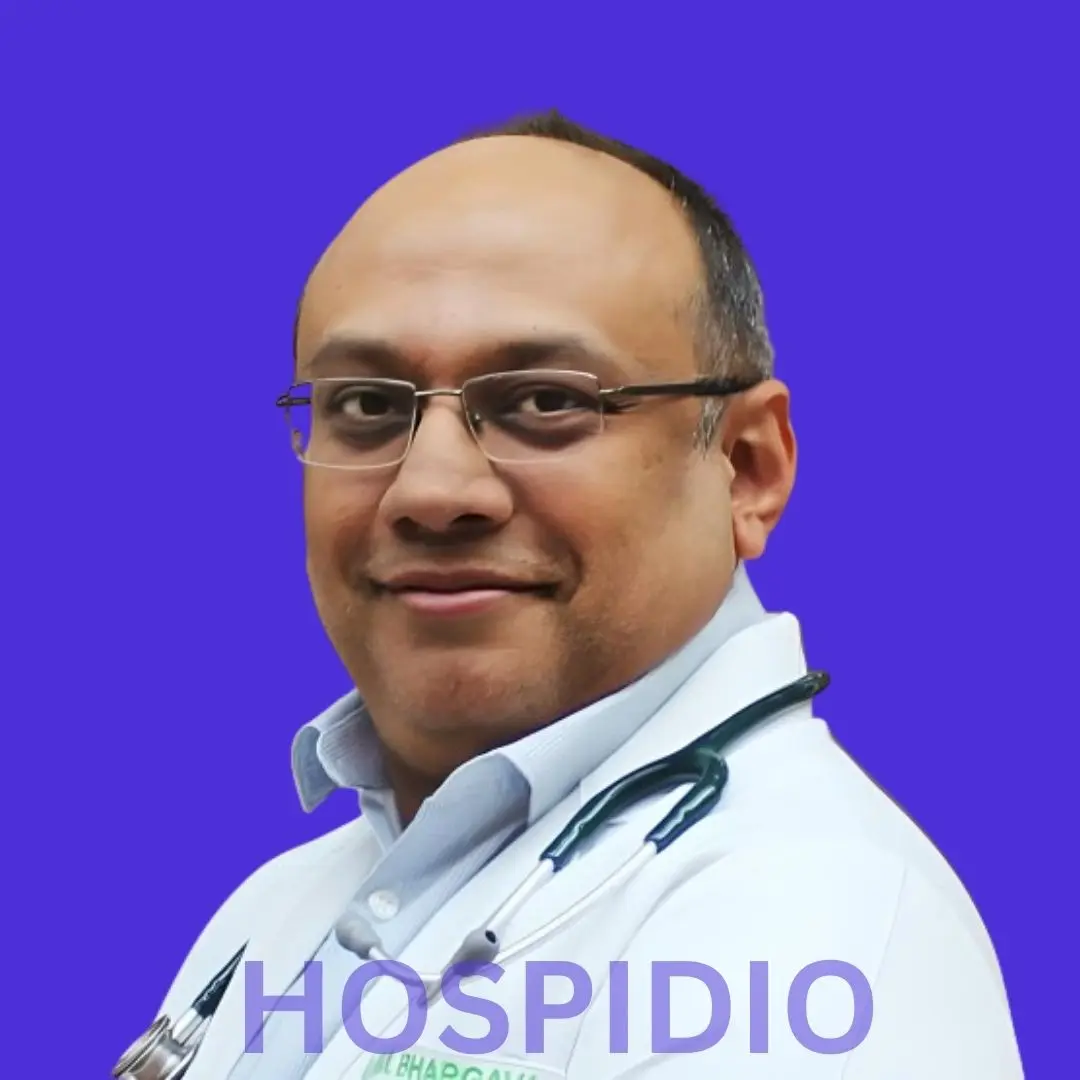
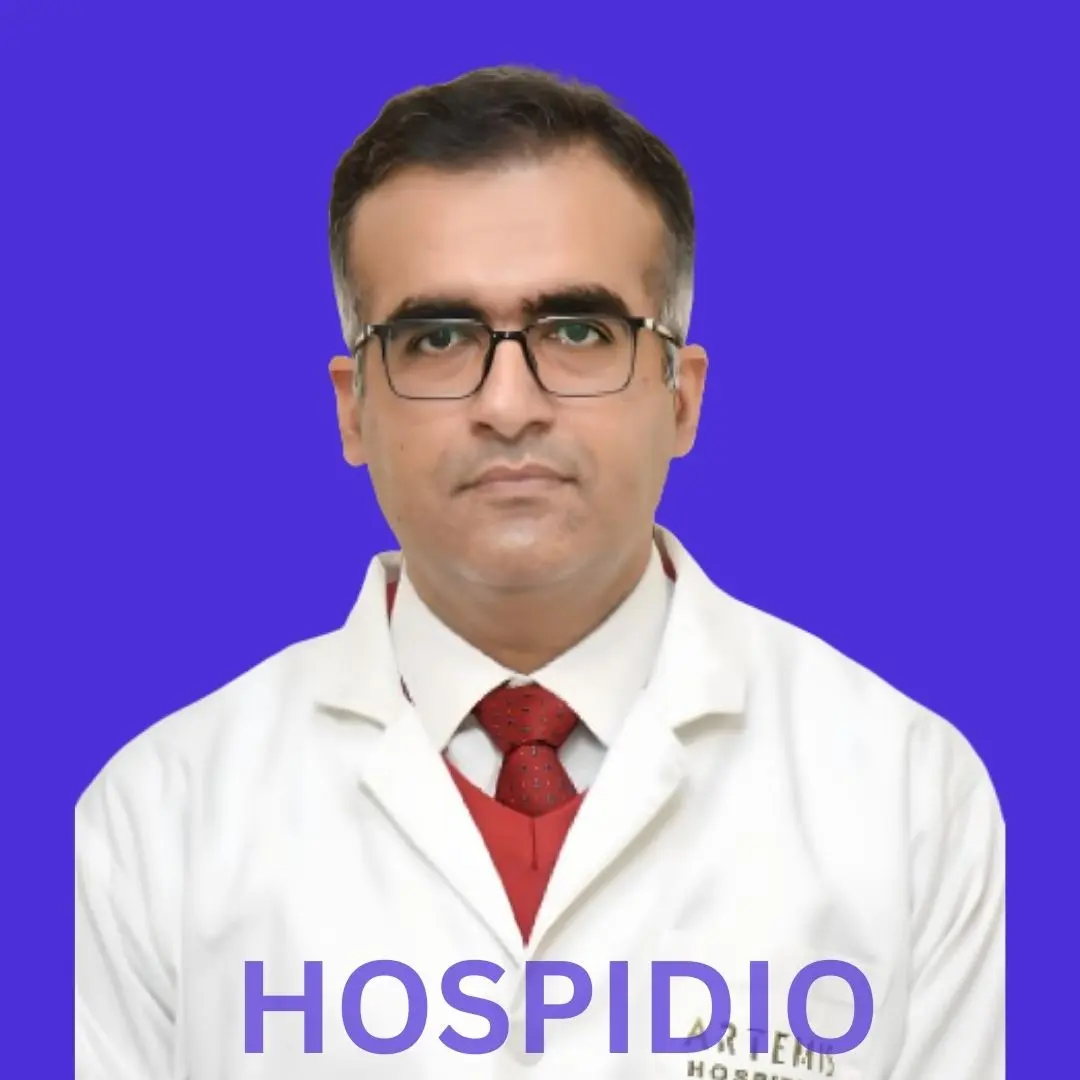
Best Hematologists for Multiple Myeloma Treatment in India





Step 3: Consolidation and Maintainance Therapy
The journey after a successful autologous stem cell transplant (ASCT) does not stop once the bone marrow has regenerated. This next major phase, Consolidation and Maintenance Therapy, plays a vital role in ensuring that the progress achieved during induction and transplantation transforms into lasting remission. It is the stage where treatment focuses on stability, long-term disease control, and helping patients return to normal life with confidence.
1. Consolidation Therapy
Once your body has recovered from the transplant (usually around 6–8 weeks post-ASCT), your oncologist may recommend additional rounds of therapy known as consolidation treatment. Think of this as a reinforcement phase, an opportunity to “tighten the screws” against any cancer cells that might still exist at microscopic levels.
1.1. Objective and Rationale
The main goal is to deepen the level of remission achieved after the transplant.
- Even when blood reports appear normal, some residual myeloma cells may still survive in bone marrow niches. Consolidation therapy targets these remaining cells to reduce the risk of early relapse.
- This step has been proven scientifically beneficial. Global studies show that consolidation can cut the chance of relapse by 25 to 30% and improve overall five-year survival rates significantly.
1.2. Treatment Timeline
- Consolidation typically begins 6 to 8 weeks after discharge from the transplant unit, once your blood counts and immunity have adequately recovered.
- The therapy usually runs for 2 to 4 cycles, depending on your initial disease stage, cytogenetic risk, and how your body tolerated prior chemotherapy.
1.3. Common Regimens Used
Standard-risk patients:
- VRd (Bortezomib + Lenalidomide + Dexamethasone) remains the international standard.
High-risk patients (del17p, t(4;14), t(14;16)):
- Dara‑VRd (which adds Daratumumab, a monoclonal antibody) or a Carfilzomib-based combination is often used to achieve deeper molecular remission.
India and Turkey Approach:
- Both countries follow updated NCCN/EMN guidelines.
- Drug sourcing includes original branded and cost-effective generic formulations under strict oncologist supervision, making the entire phase considerably more affordable than in Western nations.
- Hospitals often include infection prophylaxis and nutritional support plans as part of post-ASCT consolidation packages.
1.4. Patient Experience
Consolidation cycles are usually well-tolerated since dosages are lighter compared to induction chemotherapy.
- Most sessions are outpatient or daycare-based, requiring short hospital visits for drug administration and monitoring.
- Common side effects, like mild fatigue or temporary numbness (from bortezomib), are proactively managed by the medical team.
In short, consolidation therapy fortifies your remission foundation. It ensures the cancer stays quiet for as long as possible.
2. Maintenance Therapy
After consolidation, treatment transitions into a long-term phase known as maintenance therapy. This stage is gentler but equally crucial, it keeps the disease under control for years by preventing dormant myeloma cells from reactivating.
2.1. Goal and Duration
The primary aim is to prolong remission and delay relapse indefinitely.
- Patients remain on lighter, continuous drug therapy, usually for 2 to 3 years, though many continue longer as long as side effects remain manageable.
- In most cases, maintenance therapy converts multiple myeloma from a fatal disease into a chronic, manageable condition with stable blood parameters and minimal symptoms.
2.2. Common Maintenance Medications
| Medication | Type | Mode of Administration | Best Suited For | Key Benefits |
| Lenalidomide (Revlimid) | Immunomodulatory Drug | Oral (21 days on, 7 days off) | Most post-transplant patients | Widely used worldwide, improves progression-free survival, easy oral dosing, available in Indian & Turkish brands. |
| Bortezomib (Velcade) | Proteasome Inhibitor | Subcutaneous injection (every 2–4 weeks) | High-risk patients or those with kidney disease | Effective in renal impairment, strong disease control, commonly used in aggressive myeloma cases. |
| Ixazomib (Ninlaro) | Oral Proteasome Inhibitor | Oral capsule | Patients preferring oral-only treatment | Convenient oral therapy, fewer hospital visits, suitable for long-term maintenance. |
| Monoclonal Antibodies(Daratumumab / Elotuzumab) | Targeted Immunotherapy | IV or Subcutaneous infusion | MRD-positive or relapsed patients | Deepens treatment response, targets cancer cells precisely, used in advanced or research-based protocols. |
2.3. Effectiveness and Expected Outcomes
- Clinical studies have shown that lenalidomide maintenance can prolong progression-free survival by up to 40 to 50% compared to observation alone.
- With consistent maintenance therapy, standard-risk patients can experience disease control lasting 10–12 years or longer.
- For high-risk myeloma, multi-drug maintenance protocols and closer follow-up extend survival, helping patients lead active, fulfilling lives.
2.4. Quality of Life During Maintenance
- Maintenance therapy is designed for home-based care. Patients can return to normal work, travel, and daily activities.
- Most treatment regimens involve oral medications, infrequent clinic visits, and virtual check-ins.
- Side effects (fatigue, mild cytopenia, or rash) are typically mild and well-managed through supportive medication.
Step 4: Attend Follow-ups and Monitoring
Multiple myeloma is best viewed as a chronic but controllable blood cancer. Even after successful induction, consolidation, and transplant, microscopic traces of the disease can linger in the body. Because of this, continuous follow‑up care is necessary. This is not just to detect relapse early but also to monitor bone health, kidney function, and general well-being.
Modern follow‑up in India and Turkey is now proactive, technology‑driven, and highly individualized, ensuring that any changes in the disease course are recognized and addressed swiftly.
1. Regular Monitoring Protocol
Post‑transplant life requires a well‑structured follow‑up plan. The aim is to watch for subtle biological or clinical changes that could signal a relapse long before symptoms appear. Top hospitals in India and Turkey follow internationally standardized surveillance schedules using next‑generation diagnostic tools.
1.1. Routine Check‑ups
Every 3 months:
- Complete blood count (CBC) to track hemoglobin levels and white blood cells.
- Serum free light chain assay to detect abnormal protein levels that can hint at residual disease.
- Creatinine and calcium tests to assess kidney function and bone metabolism.
- Liver function and electrolyte profiling to ensure medications are not causing toxicity.
These visits also include physical examinations, nutritional counseling, and bone pain assessments.
1.2. Imaging Surveillance
Every 6to 12 months:
- Whole‑body MRI or PET‑CT scans detect bone lesions, fractures, or marrow activity earlier than traditional X‑rays.
- Advances in PET tracers such as 18F‑FDG provide detailed metabolic imaging, allowing physicians to differentiate between active and healed lesions.
In major centers across India and Turkey, PET‑CT facilities are integrated into the oncology wing, minimizing wait times and costs.
1.3. Bone Marrow and MRD Testing
- Frequency: Only when blood markers change or as part of structured 6‑ to 12‑month reviews.
- Purpose: Detect “Minimal Residual Disease (MRD)," which are microscopic cancer cells that persist in marrow even during remission.
- Techniques like flow cytometry or next‑generation sequencing (NGS) can identify one myeloma cell among a million normal ones (sensitivity 10⁻⁶).
Testing MRD negativity is now considered one of the best predictors of long‑term remission success.
1.4. Role of Genetic and Molecular Analysis
- Genetic tools play a key role after transplant:Next‑Generation Sequencing (NGS) tracks evolving mutations or resistance changes in relapsed cases.
- Cytogenetic monitoring allows early tailoring of drug regimens before measurable relapse symptoms begin.
Hospitals in India and Turkey have made major strides in establishing on‑site molecular hematology labs, offering these high‑end tests at a fraction of Western costs.
2. Treatment of Relapsed or Refractory Myeloma
Even with optimal care, multiple myeloma can relapse after several years, sometimes even a decade later. This does not mean failure of treatment; rather, it marks the beginning of the next therapeutic phase. The good news: today’s therapies for relapsed myeloma are more effective, better tolerated, and widely available in India and Turkey.
2.1. Modern Drug Combinations (Second‑line Therapy)
When relapse occurs, oncologists design a new drug combination that targets resistant myeloma cells while maintaining quality of life.
Popular global regimens include:
- Pomalidomide + Dexamethasone + Daratumumab/Carfilzomib
- Ixazomib‑based oral combinations for convenient outpatient management.
These therapies are usually delivered in 21‑day cycles and have shown excellent disease control rates of 70 to 80% in early relapse cases.
In India and Turkey, both branded and affordable generic formulations of these drugs are available, drastically reducing yearly treatment expenses.
2.2. Repeat Autologous Stem Cell Transplant (Re‑ASCT)
- Patients whose first remission lasted two years or longer may benefit from a second autologous transplant.
- Many Indian and Turkish centers maintain long-term cryopreserved stem cell stores for precisely this reason.
- Studies reveal that re‑transplantation can extend survival by an additional 3 to 5 years in selected patients, with minimal complications due to prior tolerance.
2.3. CAR‑T Cell Therapy (Chimeric Antigen Receptor Therapy)
One of the most groundbreaking advances in myeloma care, CAR T-cell therapy reprograms a patient’s own T‑cells to recognize and destroy cancer cells.
It offers hope to patients whose disease is refractory (nonresponsive) to conventional chemotherapy.
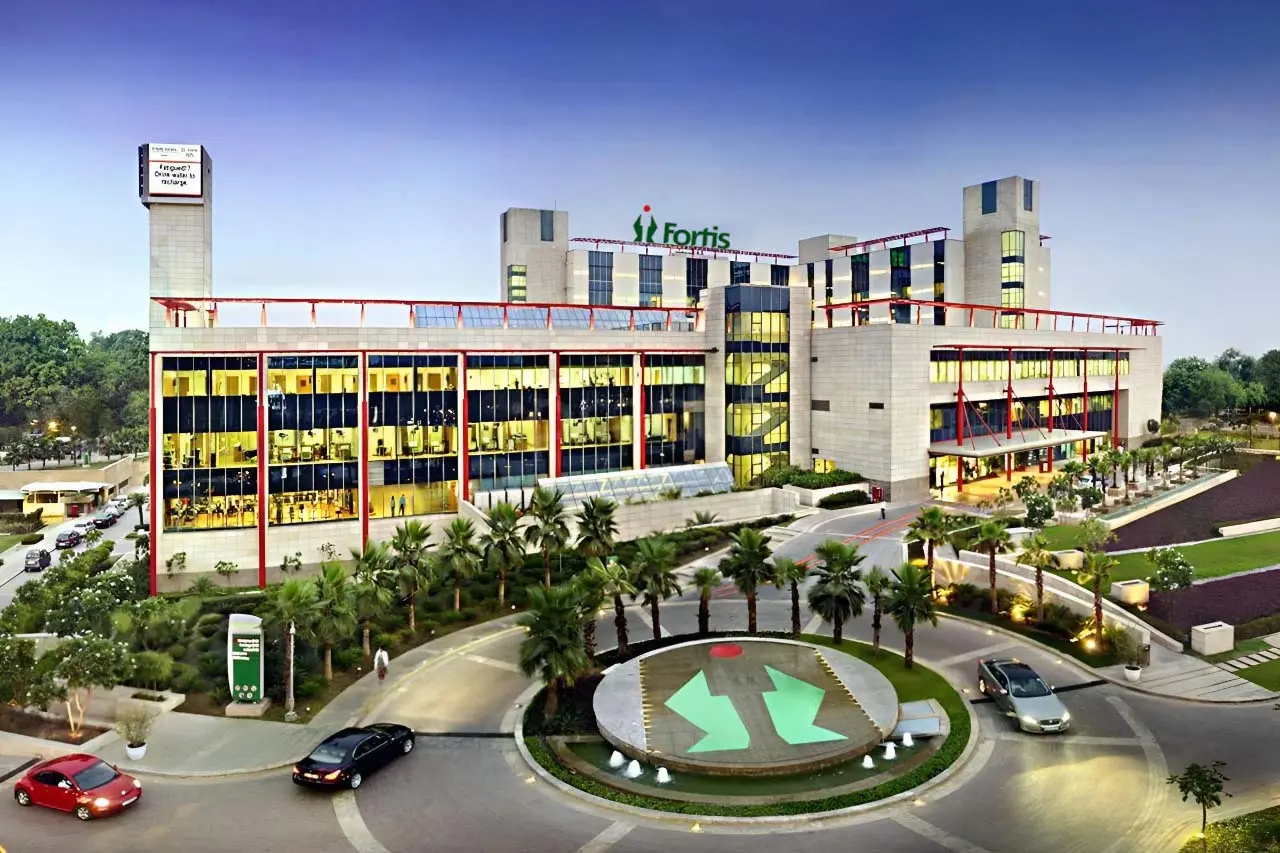
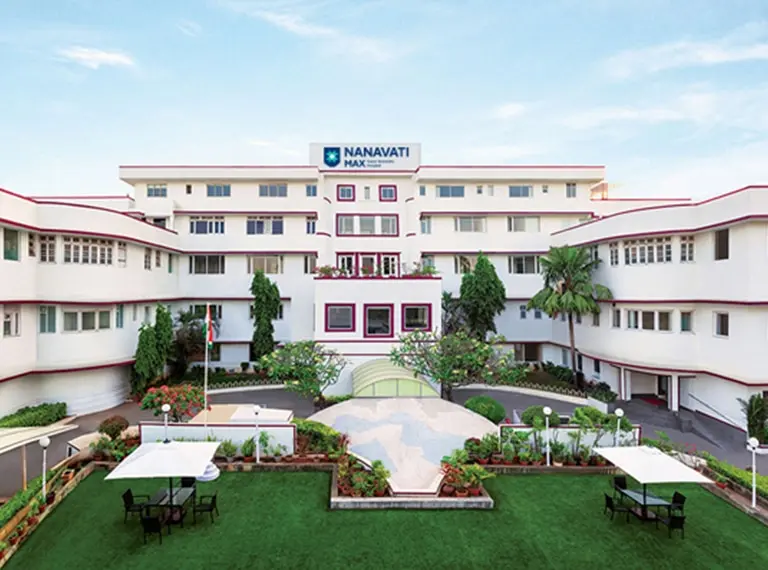
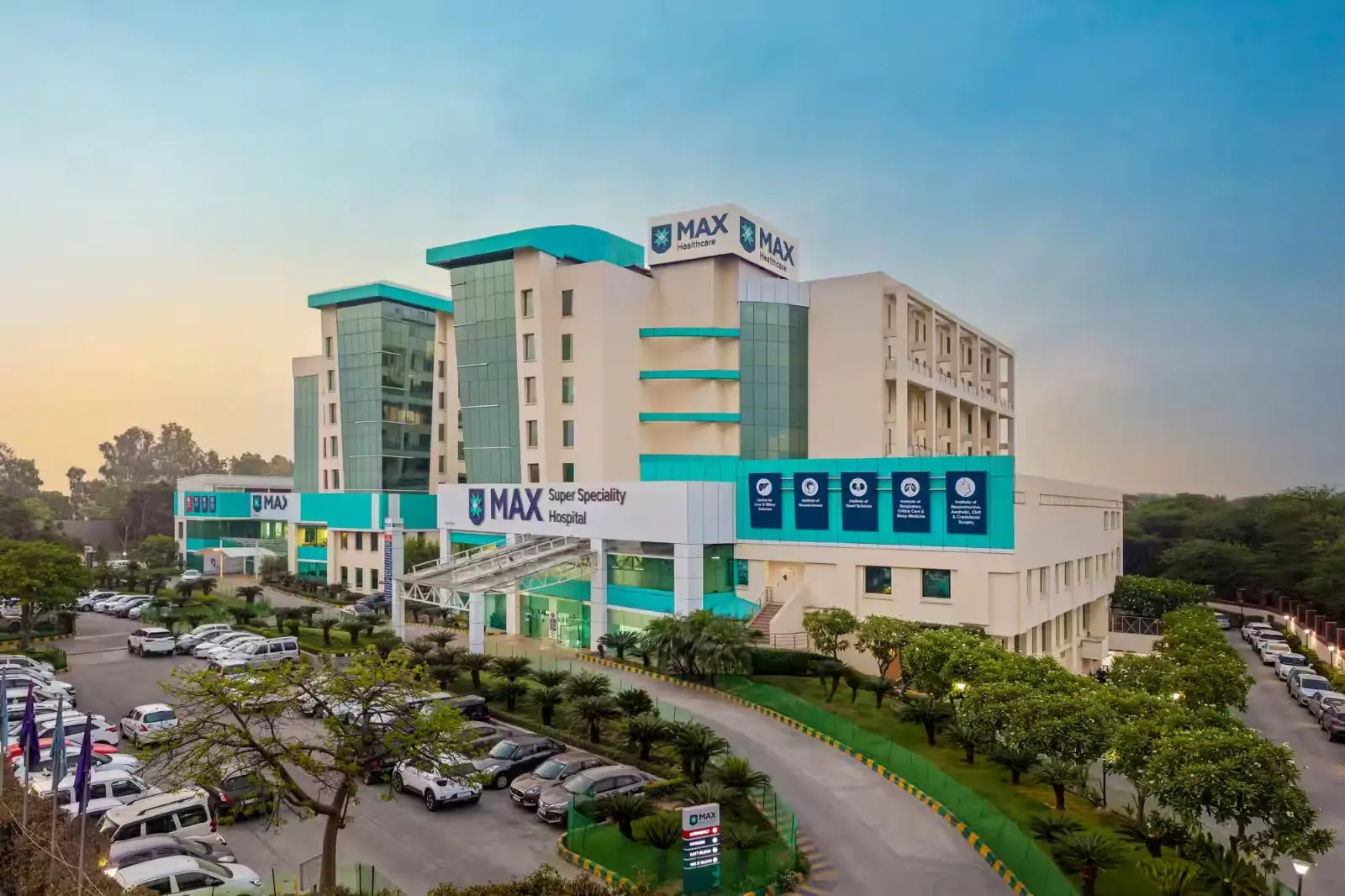
Currently available in India at elite cancer centers in Delhi, Chennai, Mumbai and Bangalore. Some of the leading hospitals offering CAR T-cell therapy in India include Artemis Hospitals, Fortis Hospital, Nanavati-MAX Hospital, Max Superspecialty Hospital, Apollo Proton Cancer Center etc.
Reported outcomes of CAR T-cell therapy:
- Global survival improvements between 60 to 70%, even in advanced, heavily treated patients.
- Side effects such as cytokine release syndrome (CRS) are carefully managed in intensive oncology settings.
The CAR T-cell therapy cost in India averages USD 60,000 to 90,000, compared to over USD 500,000 in the United States, making it a transformative yet accessible option for international patients.
2.4. Bispecific Antibody Therapy
- New‑age drugs like Teclistamab and Elranatamab represent the next frontier in myeloma care.
- They work by linking T‑cells directly to myeloma cells, achieving targeted destruction.
- These antibodies are being evaluated under clinical trials and expanded access programs at top cancer institutes in India and Turkey, allowing eligible patients early access to breakthrough therapies before global launch.
2.5. Supportive and Adjunctive Care
Relapsed myeloma often requires integrated care alongside active treatment:
- Bisphosphonates or Denosumab for bone strengthening.
- Erythropoietin agents for anemia.
- Physical therapy and pain specialists to maintain mobility and reduce skeletal complications.
- Palliative and psychological support teams in Indian and Turkish hospitals help patients and families manage stress, side effects, and lifestyle adjustments comfortably.
3. Patient Journey and Continuity of Care
For international patients, continuity after relapse treatment is critical. HOSPIDIO provides a structured pathway ensuring that even complex therapies, such as CAR T-cell or immune‑based regimens, are delivered seamlessly across borders.
Key aspects:
- Medical coordination: Direct communication between home‑country oncologists and treating specialists in India/Turkey.
- Teleconsultations: Every 1 to 3 months for progress tracking and therapy adjustment.
- Travel assistance: Priority visa processing, airport transfer, and accommodation near transplant/infusion units.
- Medication logistics: Coordination for safe refills and cost‑effective shipment of prescribed medications under legal import guidelines.
4. Long‑Term Outlook
With continuous innovation and closely monitored care, long-term survival for multiple myeloma patients has risen dramatically worldwide and India and Turkey are contributing strongly to this success story.
- Modern therapies have tripled survival expectations compared to two decades ago.
- Patients maintaining MRD‑negative status through consolidation and maintenance therapy can remain in remission for 10 to 15 years or more.
- Even after relapse, newer lines of therapy continue to extend outcomes while preserving quality of life.
In essence, long-term follow-up and relapse management ensure that multiple myeloma remains under control, not in command. Through globally aligned medical practices, state-of-the-art laboratories, and supportive international coordination, India and Turkey offer hope that is both evidence-based and accessible.
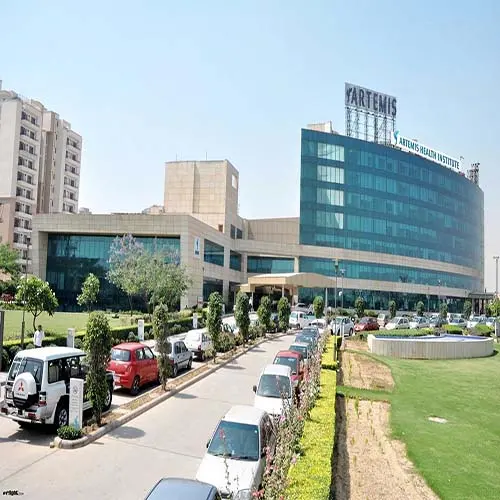
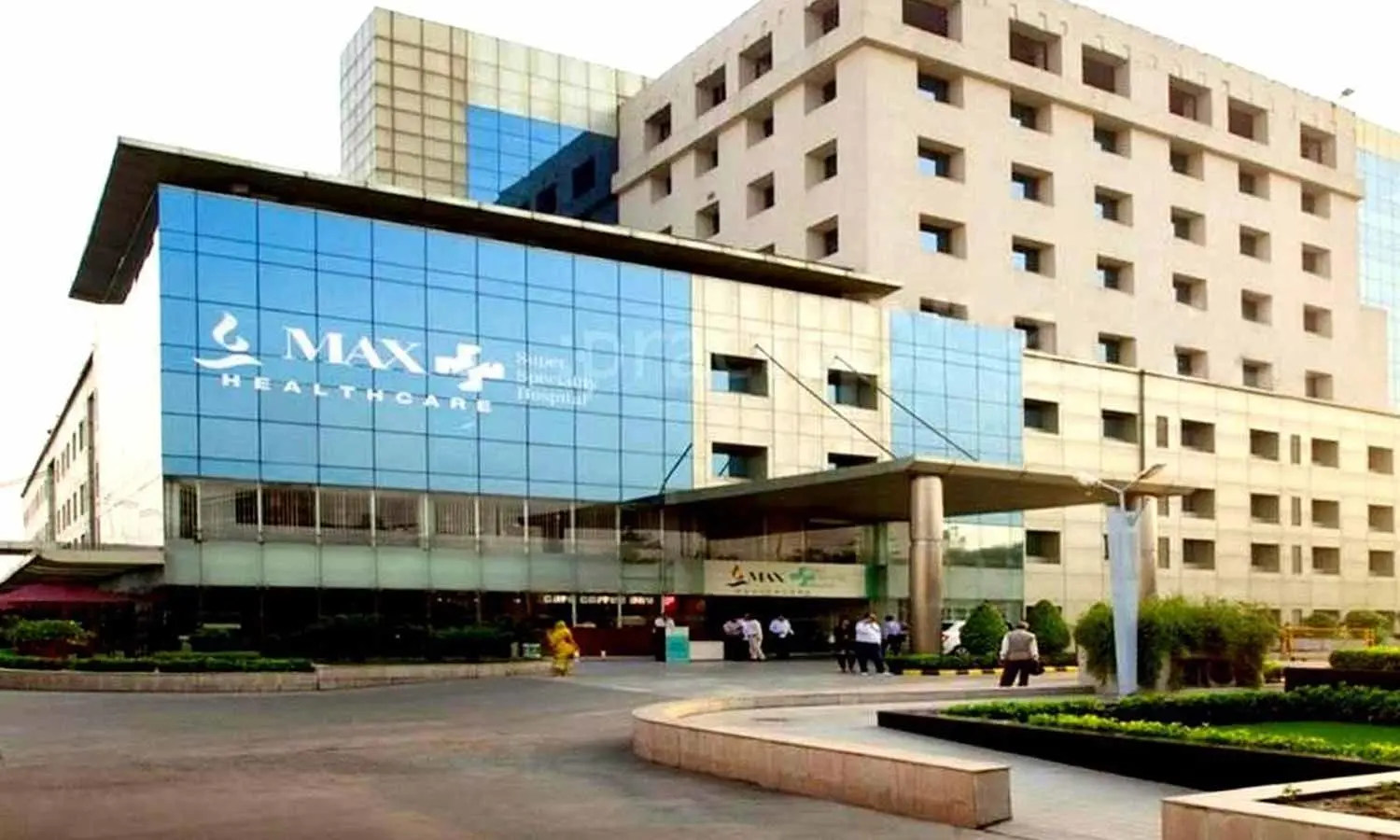
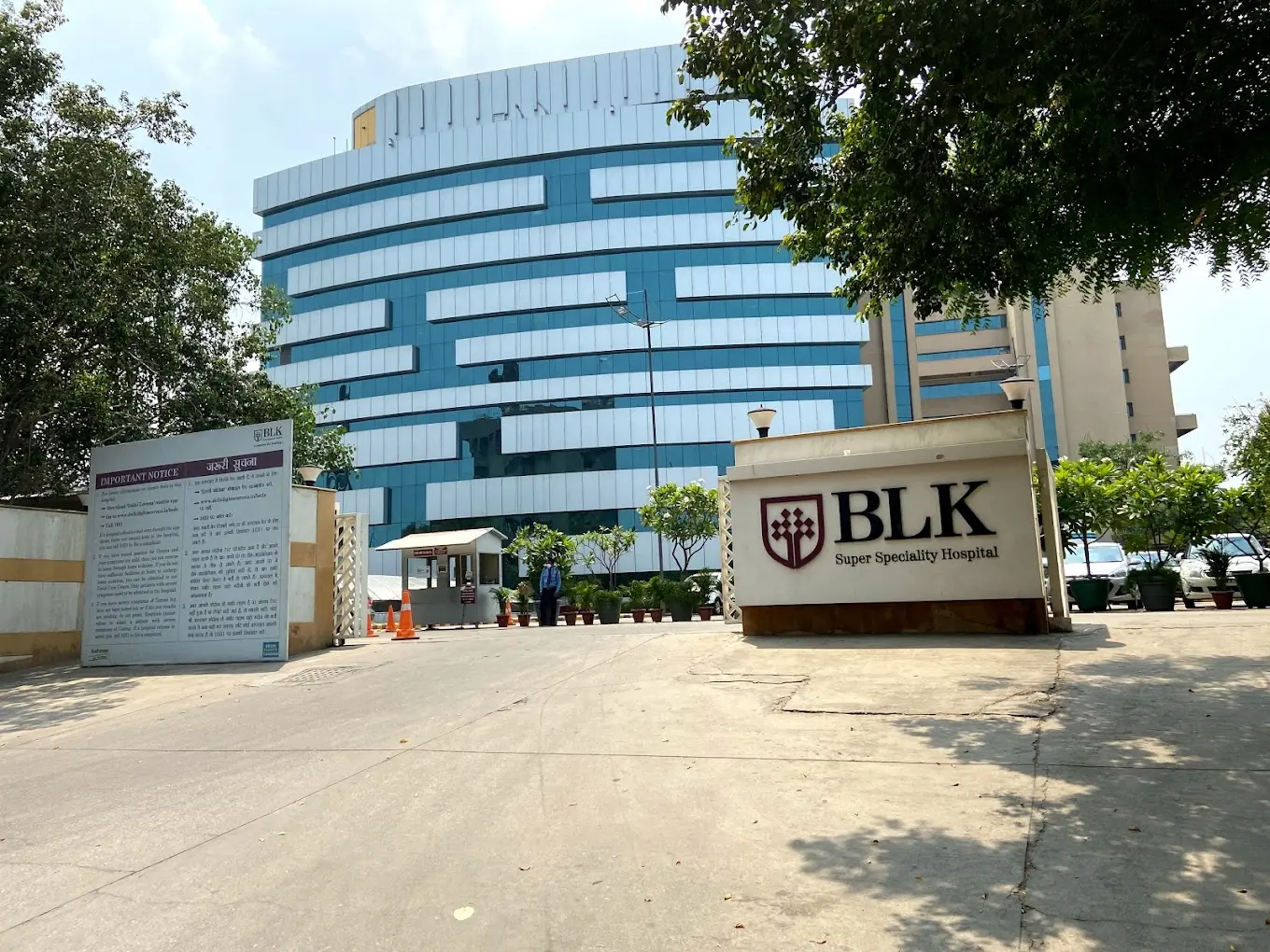
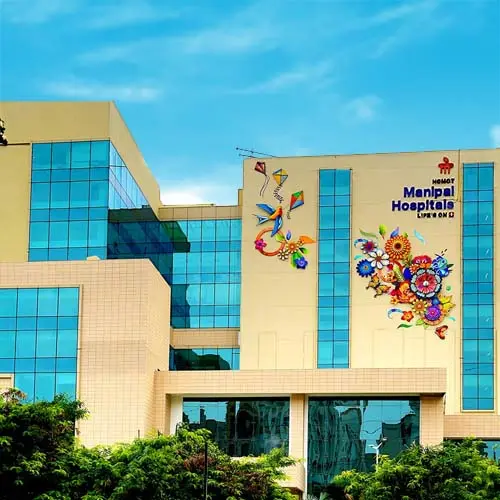
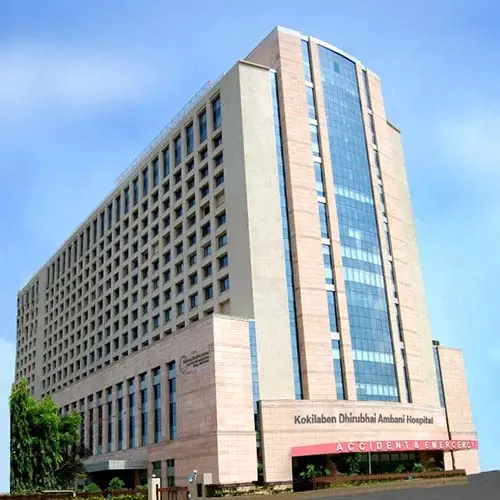
Best Hospitals in India for Myeloma Treatment
Why India and Turkey Are Top Choices for Myeloma Treatment
Choosing the right country and care center for multiple myeloma treatment can significantly influence outcomes, recovery comfort, and financial stability. Over the past decade, India and Turkey have evolved into two of the most sought‑after destinations for global cancer care, particularly for complex cases of blood cancer and bone marrow transplantation. Their rise has been driven by advanced medical infrastructure, internationally credentialed specialists, and cost‑effective therapies that meet Western standards.
Below are the key reasons why thousands of international patients, including those from Africa, the Middle East, the US, Canada, and Europe, prefer India and Turkey for advanced myeloma care.
1. Globally Trained Specialists
A major strength of both India and Turkey lies in their world-class hematologists and oncologists, many of whom have completed fellowships and advanced training at elite institutions such as the Mayo Clinic (USA), King’s College Hospital (UK), and Heidelberg University (Germany).
- These specialists practice evidence-based medicine using international protocols that align with NCCN (National Comprehensive Cancer Network) and EMN (European Myeloma Network) guidelines.
- Their dual exposure to Western training and high local case volumes gives them unique expertise, treating hundreds of myeloma cases annually, including high-risk and refractory patients.
- Multidisciplinary tumor boards involving hematologists, radiation oncologists, pathologists, and transplant physicians ensure every patient receives a customized treatment plan with maximum precision.
In practical terms, this means patients receive the same level of clinical judgment and protocol-based care available in the US or Europe, but at a much more accessible price.
2. Accredited and Advanced Hospitals
Both countries have healthcare facilities accredited by global regulatory bodies such as JCI (Joint Commission International) and NABH (National Accreditation Board for Hospitals). These certifications guarantee strict adherence to:
- International sterilization and infection control standards
- Transparent quality audits and patient safety monitoring
- Professional ethics and clear communication protocols
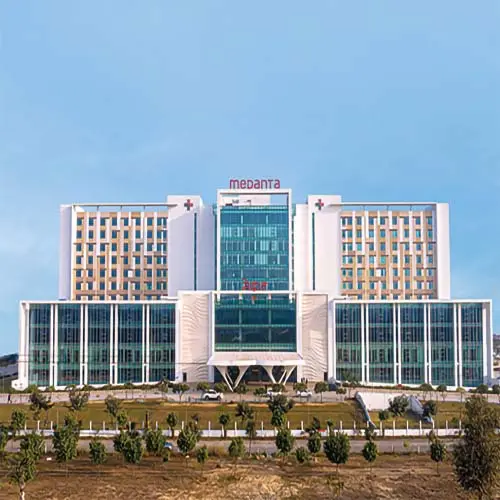
Hospitals such as Medanta (Gurugram, India), Apollo Hospitals, Artemis Cancer Institute, Memorial Şişli (Istanbul), and Anadolu Medical Center are renowned worldwide for their bone marrow transplantation units and dedicated hematology departments.
Most transplant units feature:
- HEPA-filtered isolation rooms for infection-free recovery.
- 24×7 critical care and nursing support specialized in oncology.
- On-site molecular labs and advanced imaging equipment for PET-CT, MRD monitoring, and genetic testing.
- Special dietary kitchens offering halal, vegetarian, and diabetic meal options to suit international patient needs.
- Visiting patients also benefit from personal interpreters, multilingual signage, and international patient lounges, ensuring comfort that feels as close to home as possible.
3. Cost Efficiency Without Compromise
One of the greatest attractions of India and Turkey is the affordability of comprehensive cancer care without sacrificing quality or technology.
- Compared with the United States, Canada, or Western Europe, total myeloma treatment costs, including stem cell transplantation, multiple drug therapies, and extended follow-up, are 60 to 70% lower.
- Despite the cost difference, patients still receive the same internationally approved medications (Lenalidomide, Bortezomib, Daratumumab, Carfilzomib, etc.) manufactured by reputed global pharmaceutical companies under strict quality oversight.
- The overall economic advantage allows many families to pursue multiple treatment lines and transplants without financial exhaustion, a key reason India and Turkey have become the preferred destinations for middle-income and insured international patients.
4. Shorter Wait Times and Efficient Diagnostics
In contrast to long waiting periods often experienced in Western public systems, Indian and Turkish hospitals offer near‑immediate treatment scheduling.
International patients can typically begin diagnostic reviews, imaging, and the first chemotherapy cycle within 3 to 5 days of arrival.
Fast-track options include:
- Same‑day laboratory and imaging results
- Digital access to reports and translations
- Online second opinions within 48 hours
This swift process is particularly critical in blood cancers like multiple myeloma, where early intervention can directly improve survival rates. Comprehensive diagnostic centers under one roof, iincluding radiology, pathology, and molecular labs, minimize referral delays and maximize convenience.
5. Seamless Coordination Through HOSPIDIO
For international patients, navigating treatment abroad can seem overwhelming. That’s where HOSPIDIO’s integrated medical travel support ensures an effortless and guided experience from start to finish. Here’s what HOSPIDIO manages for you:
- Personalized Hospital and Doctor Selection: Matching each patient’s diagnosis, budget, and language preferences with the most experienced hematologists and top‑rated bone marrow transplant centers in India or Turkey.
- Pre‑Travel Virtual Consultation: Patients can consult directly with the treating specialist before traveling, clarifying treatment plans, possible costs, and approximate duration of stay.
- Visa & Documentation Assistance: Provision of official medical invitation letters and support with embassy coordination for smooth medical visa issuance.
- End‑to‑End Logistics: Airport pickups, hotel or guesthouse booking near the hospital, interpreter services (Arabic, French, Spanish, English), and local SIM cards for easy communication.
- Fixed Treatment Packages: Transparent and customized medical packages that cover hospital charges, tests, medications, and post-operative care, ensuring cost predictability.
- Continuous Medical Coordination: Regular progress updates sent to family and referring doctors at home. Telemedicine reviews even after discharge to ensure continuity in maintenance or relapse therapy.
HOSPIDIO acts as the bridge between patients and healthcare systems, ensuring high-quality, compassionate care that spans across borders.
Summary
For international patients, multiple myeloma is no longer a hopeless diagnosis. With extraordinary advancements in stem cell transplantation, targeted therapy, and immunomodulation, both India and Turkey now provide outcomes on par with the world’s best cancer institutes.
India offers the advantage of cost efficiency, high procedure volumes, and an English-speaking medical ecosystem, while Turkey provides strong proximity to Europe, luxurious private hospital setups, and shorter travel times for neighboring regions.
With HOSPIDIO’s end‑to‑end coordination, patients can focus entirely on healing, confident that every step, from pre-arrival planning to long‑term follow-up, is meticulously managed. The result is a safe, smooth, and successful treatment journey, built around one mission: *to combine global medical expertise with accessibility, dignity, and personalized
Baani Singh
Author
Baani Singh is a Trainee Intern specializing in Content and Brand Management at HOSPIDIO. With a keen interest in healthcare communication, she contributes to creating informative and engaging content that bridges the gap between medical services and patients seeking treatment abroad. Her work supports HOSPIDIO's mission to provide accessible and transparent medical travel solutions.
Guneet Bindra
Reviewer
Guneet Bhatia is the Founder of HOSPIDIO and an accomplished content reviewer with extensive experience in medical content development, instructional design, and blogging. Passionate about creating impactful content, she excels in ensuring accuracy and clarity in every piece. Guneet enjoys engaging in meaningful conversations with people from diverse ethnic and cultural backgrounds, enriching her perspective. When she's not working, she cherishes quality time with her family, enjoys good music, and loves brainstorming innovative ideas with her team.